Cameroon: African Development Bank Approves Billions, But Projects Stall
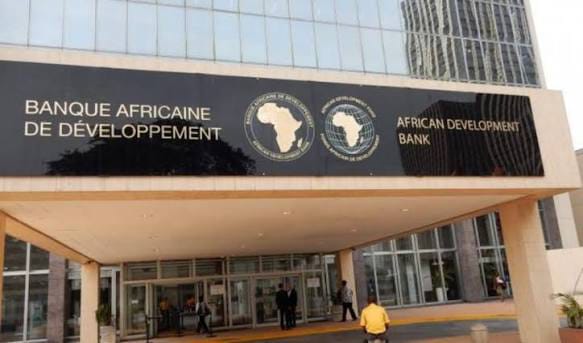
Since 2023, the African Development Bank (AfDB) has approved 833.8 billion FCFA for eight operations in Cameroon, representing 67.9% of a planned 1,227.5 billion FCFA program. Despite these significant approvals, the bank's active portfolio in Cameroon, valued at 1,629.2 billion FCFA, shows a disbursement rate of only 26%. This indicates a persistent challenge in transforming approved funds into tangible development outcomes such as roads, energy infrastructure, and job creation. While Cameroon has secured substantial financing from the AfDB, its capacity to absorb these resources rapidly remains a weakness. The AfDB's commitments to Cameroon have increased, with annual access to funds also rising significantly. However, administrative delays, issues with counterpart funds, and procurement procedures are hindering project implementation. Infrastructure projects dominate the portfolio, with transportation receiving 53.83% (approximately 877 billion FCFA) and energy absorbing 22.32% (nearly 364 billion FCFA) of the financing. While the AfDB notes an improvement, with critical "red alert" projects decreasing from 48% to 26% between February and July 2026, the primary challenge of accelerating disbursements persists. Cameroon has reported achievements like over 570 kilometers of roads and the Nachtigal hydroelectric power plant, but the ultimate test lies in converting approved funds into delivered infrastructure and measurable economic results.
The substantial financial commitments from the African Development Bank to Cameroon highlight a common development finance paradox: the gap between funding approval and effective project execution. While the AfDB's increased engagement and reported improvements in project risk mitigation are positive indicators, the persistently low disbursement rate suggests systemic bottlenecks within Cameroon's administrative and procurement processes. These delays not only impede the realization of critical infrastructure and economic development goals but also raise questions about the efficiency of resource allocation and the long-term sustainability of development partnerships. Future strategies should focus on capacity building, streamlining bureaucratic procedures, and ensuring robust project management frameworks to accelerate the conversion of financial commitments into tangible, impactful outcomes for the Cameroonian population.
AI-generated to prompt reflection — not editorial opinion, not advice, not a statement of fact. How this works.