Cameroon and Morocco Deepen Agricultural and Fisheries Cooperation
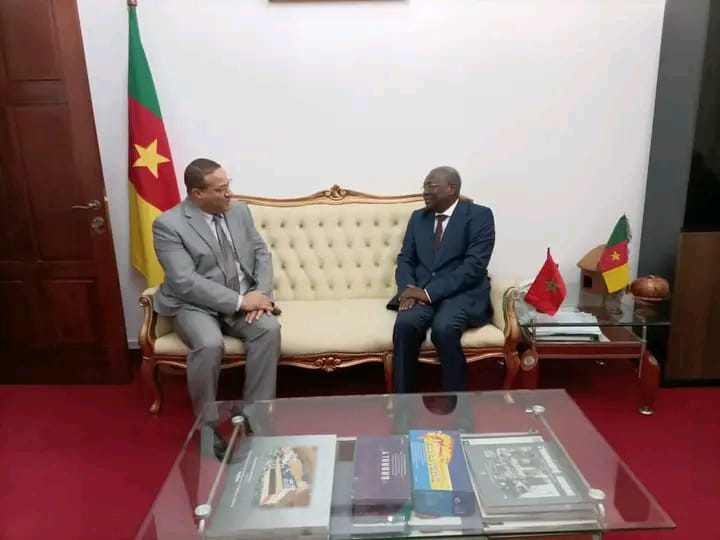
On July 21, 2026, Cameroon's Minister of Livestock, Fisheries, and Animal Industries, Dr. Taïga, met with the Ambassador of the Kingdom of Morocco to discuss strengthening bilateral cooperation. The discussions focused on advancing the agropastoral and fisheries sectors, with a shared emphasis on food sovereignty and technology transfer. This meeting signifies a renewed commitment to enhancing the partnership between Cameroon and Morocco in livestock, fishing, and animal industries. Minister Taïga outlined Cameroon's strategy for modernizing these sectors, aligning with the National Development Strategy 2020-2030 (SND30) and the President's integrated import-substitution plan for agriculture and fisheries. The dialogue highlighted common priorities, including bolstering food security and facilitating the exchange of expertise and technological advancements. Both nations aim to solidify a partnership based on mutual interests and shared developmental goals. This collaboration is expected to foster deeper technical exchanges and lead to the implementation of projects designed to build capacity among stakeholders in the livestock, fisheries, and animal industries of both countries.
This diplomatic engagement between Cameroon and Morocco underscores a strategic alignment focused on enhancing food security and technological capacity within key agricultural and fisheries sectors. The emphasis on food sovereignty and import substitution reflects a global trend among nations seeking to reduce reliance on external supply chains and bolster domestic production. For Cameroon, integrating these initiatives with its SND30 strategy indicates a long-term vision for sectoral transformation. The partnership's success will likely depend on effective implementation, equitable benefit sharing, and the sustainable transfer of relevant technologies, ensuring that these efforts contribute to genuine economic development and resilience rather than merely serving as diplomatic gestures. The initiative presents an opportunity to explore how such bilateral agreements can foster innovation and address systemic challenges in food production within the broader context of evolving global trade dynamics and climate change impacts.
AI-generated to prompt reflection — not editorial opinion, not advice, not a statement of fact. How this works.