Cameroon Authorities Crack Down on Illegal Body Filler Injections
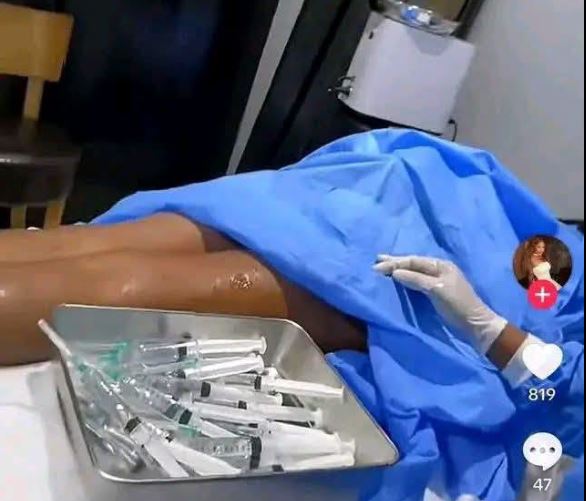
Cameroonian health authorities and the National Order of Physicians (ONMC) are taking action against the illegal practice of body filler injections, particularly for cosmetic enhancements like buttock and breast augmentation. The Ministry of Public Health and the ONMC have both issued statements highlighting the dangers and illegality associated with these procedures. The ONMC has filed complaints against influencer Manuela Nimpa, known as "Croqueuse de diamants," for allegedly performing invasive Body Filler injections outside legal frameworks. The Order states Nimpa is not a registered medical professional and is therefore not authorized to administer such treatments. The Minister of Public Health, Manaouda Malachie, echoed these concerns on July 16, 2026, emphasizing that body filler injections must be performed by qualified professionals in authorized health facilities. He warned that non-compliance could lead to legal prosecution. While the Ministry has not yet initiated legal proceedings against "Croqueuse de diamants," it has alerted the public to the severe health risks associated with non-approved products and unqualified practitioners. These risks include severe infections, allergic reactions, chronic pain, tissue necrosis, and potentially life-threatening complications due to product migration. The Ministry urges the public to exercise vigilance and consult qualified surgeons for aesthetic needs, assuring that investigations into the illegal practice of Body Filler are underway and that administrative and judicial sanctions will be imposed.
This situation highlights a critical intersection of social media influence, unregulated aesthetic procedures, and public health governance. The rapid dissemination of cosmetic enhancement trends via social platforms, coupled with the accessibility of unqualified practitioners, creates significant health risks. Authorities are responding by emphasizing legal frameworks and potential sanctions, aiming to deter both practitioners and consumers from engaging in unsafe practices. The challenge lies in balancing public awareness campaigns with effective enforcement mechanisms in a digital age where information and services can spread rapidly across borders and social networks. Future considerations may involve enhanced digital platform accountability and clearer regulatory pathways for aesthetic procedures to mitigate systemic risks.
AI-generated to prompt reflection — not editorial opinion, not advice, not a statement of fact. How this works.