Cameroon Bets on Mining Sector for Industrialization and Economic Growth
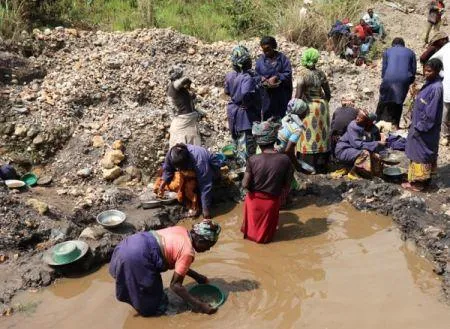
The Cameroonian government is prioritizing the mining sector as a key driver for the nation's industrialization and economic development. Minister of Communication, René Emmanuel Sadi, highlighted several ongoing and planned projects aimed at leveraging the country's mineral wealth. These initiatives include the exploitation of iron in Bipindi Grand-Zambi, Kribi-Lobé, and Mbalam, as well as bauxite in Minim-Martap, marble in Bidzar and Biou Sud, and gold in Colomine, Mborguene, and Bibemi. The government is committed to eradicating disorder and illegal exploitation within the sector to ensure better living conditions for its citizens. By 2026, further projects are expected to commence, focusing on iron, gold, and other critical minerals and rare earth elements identified across various regions. This strategic vision necessitates a robust institutional framework to attract investors and implement stringent measures to combat illegal mining activities. The ultimate goal is to transform the mining sector into a catalyst for growth, job creation, and improved livelihoods, shifting the economic model towards cleaner, renewable energy sources.
The Cameroonian government's strategic pivot towards industrialization via its mining sector reflects a global trend of resource-rich nations seeking to add value domestically rather than solely exporting raw materials. This approach aims to foster economic diversification, create employment, and potentially transition towards a greener economy, aligning with international decarbonization goals. However, success hinges on establishing effective governance, attracting sustainable investment, and rigorously enforcing regulations to prevent resource mismanagement and illicit activities. The government's stated commitment to eradicating disorder and spoliation is crucial, as historical precedents in other nations demonstrate the potential for wealth extraction to be undermined by corruption and inequality if not managed transparently and equitably. Future challenges will likely involve balancing large-scale industrial extraction with environmental stewardship and ensuring that the benefits are broadly distributed among the population.
AI-generated to prompt reflection — not editorial opinion, not advice, not a statement of fact. How this works.