Cameroon Boosts Security Around Douala Port with New Military Base
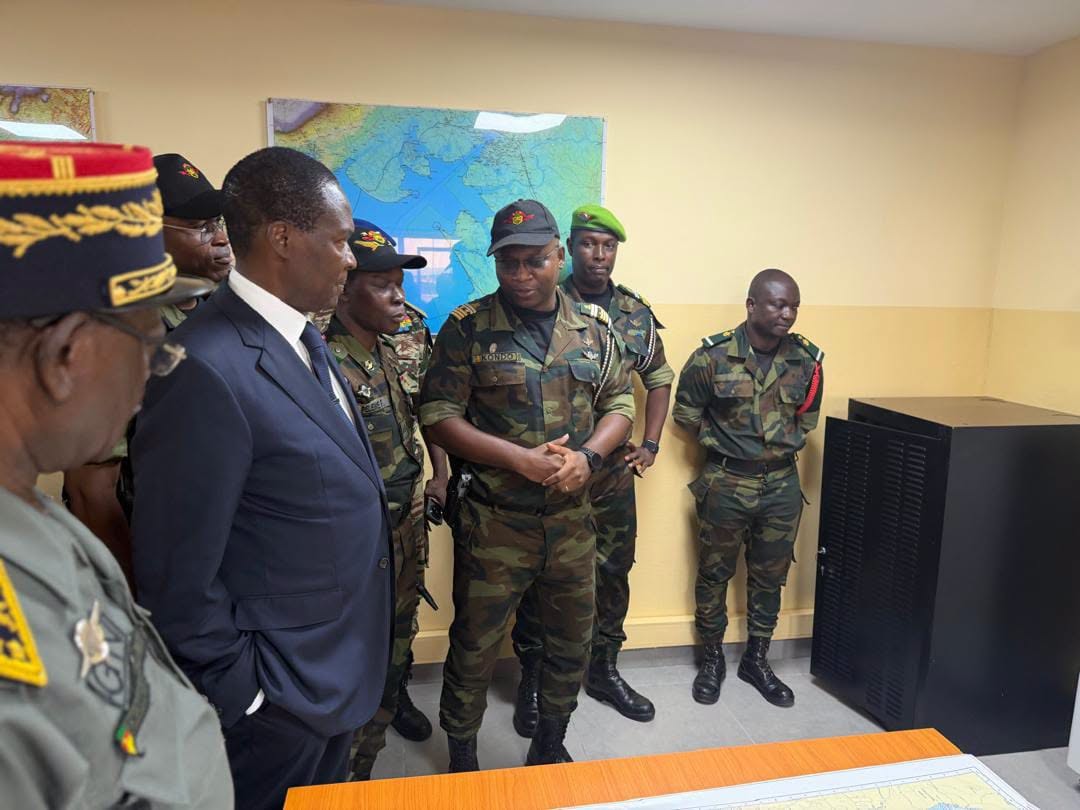
Cameroon's Minister Delegate for Defense, Joseph Beti Assomo, has inaugurated a new operational base for the Rapid Intervention Battalion (BIR) at the Port of Douala-Bonaberi. This military installation, established on July 2nd, aims to enhance both the security and economic performance of Cameroon's primary port. The security objectives include bolstering defenses against diverse maritime threats prevalent in the Gulf of Guinea, such as piracy, illicit trafficking, and organized crime. Specific activities like drug smuggling, contraband, illegal fuel trade, illegal fishing, and human trafficking pose significant risks to the port area. The BIR unit is expected to improve rapid response capabilities against threats to strategic infrastructure, economic operators, and port users. This new facility complements the existing "Douala Port Security" program, which utilizes radars, video surveillance, scanners, biometric identification, and a canine unit for threat detection. The permanent presence of BIR special forces is intended to provide immediate operational intervention during crises, targeted attacks, or direct threats to port facilities. Furthermore, enhanced security is anticipated to boost the port's economic efficiency, safeguarding the vital commercial corridor that handles approximately 70% of Cameroon's trade. The Port of Douala also serves as the main maritime gateway for Chad and the Central African Republic, meaning its security extends protection to economic structures, activities, and actors across Central Africa.
The establishment of a Rapid Intervention Battalion base at the Port of Douala-Bonaberi signifies a strategic response to escalating security concerns in a critical economic hub. By integrating special forces with existing surveillance technologies, Cameroon aims to mitigate risks from piracy, trafficking, and organized crime, thereby safeguarding national and regional trade flows. This move reflects a broader trend of prioritizing physical security infrastructure to ensure economic stability and connectivity, particularly for landlocked neighboring countries reliant on the port. The initiative underscores the symbiotic relationship between robust security measures and sustained economic growth, highlighting the challenges of managing complex maritime environments in the face of evolving threats. Future considerations may involve assessing the long-term effectiveness of this integrated security model against adaptive criminal networks and exploring technological advancements to further enhance situational awareness and response times.
AI-generated to prompt reflection — not editorial opinion, not advice, not a statement of fact. How this works.