Cameroon, CAR, and UNHCR Meet to Restart Voluntary Repatriation of Central African Refugees
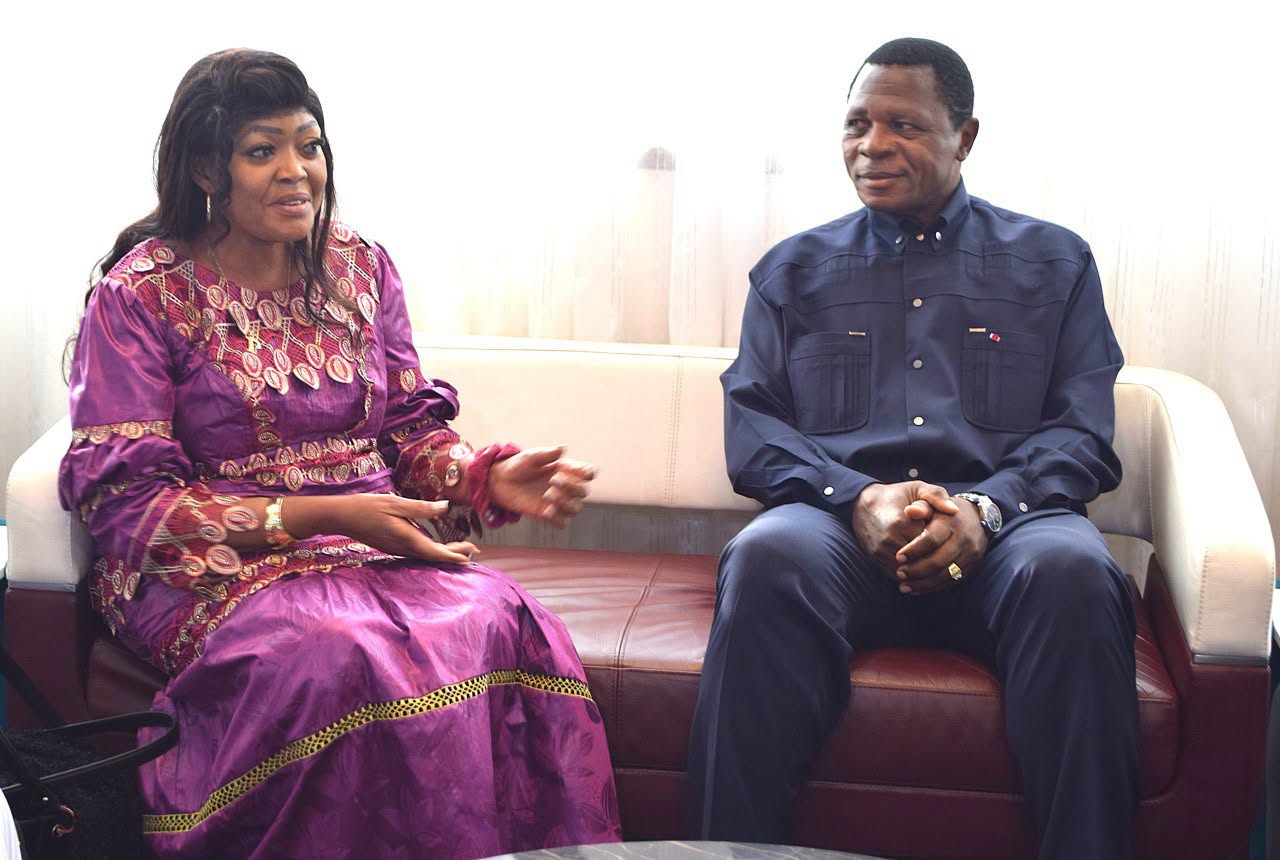
Cameroon, the Central African Republic (CAR), and the United Nations High Commissioner for Refugees (UNHCR) are holding tripartite consultations in Yaoundé on July 14th to finalize practical arrangements for resuming the voluntary repatriation of Central African refugees. The meeting aims to adopt an operational document detailing the procedures for this process. Key attendees include Cameroon's Minister of Territorial Administration, Paul Atanga Nji, CAR's Minister of Humanitarian Action, Solidarity, and National Reconciliation, Josiane Lina Bemaka-Soui, and a UNHCR delegation led by William S. Chemaly, the new UNHCR representative in CAR. The voluntary repatriation process, which was suspended around the end of 2025, is now set to be relaunched. A technical working group of the tripartite commission will also convene to refine the technical aspects of repatriating future refugee contingents. In May, the UNHCR representative in Cameroon indicated that between 10,000 and 20,000 Central African refugees are expected to be repatriated to CAR this year. Since the repatriation process began in 2019, over 22,000 refugees have voluntarily returned to their home country, with the last contingent comprising 523 individuals. According to UNHCR statistics, more than 332,000 Central African refugees currently reside in Cameroon, primarily in the East, Adamaoua, and North regions.
This tripartite meeting addresses the complex logistical and humanitarian challenge of voluntary refugee repatriation, highlighting the ongoing need for international cooperation and state-level coordination. The process, suspended and now being revived, reflects the persistent instability in the CAR and the enduring humanitarian situation for refugees in Cameroon. Future repatriation efforts will likely be influenced by security conditions in CAR, UNHCR's resource allocation, and the evolving geopolitical landscape impacting regional stability. The significant number of refugees remaining in Cameroon suggests that durable solutions, beyond voluntary repatriation, may also require consideration in the coming years, including local integration or resettlement options, depending on the specific circumstances and host community capacities.
AI-generated to prompt reflection — not editorial opinion, not advice, not a statement of fact. How this works.