Cameroon: Church Official Denies Allegations Against Revival Churches
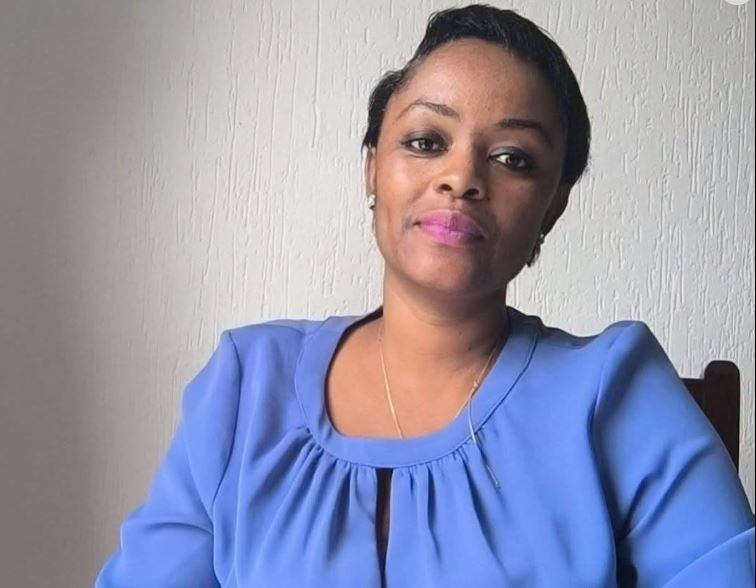
Anne Féconde Noah, Vice-President of the PCRN party in Cameroon, has issued a strong rebuttal to accusations leveled against revival churches. Her statement, released on July 13, 2026, addresses claims that these churches encourage divorce, ruin families, and are associated with demonic practices. Noah argues that Pentecostal communities, in particular, strongly protect marriage, often making divorce an impossible option and even leading to excommunication for those who pursue it. She asserts that when conversions lead to family rejection, it is often the new Christian who is stigmatized, not the other way around. Furthermore, Noah challenges the notion that revival churches financially ruin their members, stating they are transparent in their operations. She highlights that contributions like tithes and offerings are used for charitable purposes, including supporting the education of underprivileged children, assisting members facing housing or employment difficulties, and covering medical expenses for the sick. Noah contrasts this with bars, which she contends are the true cause of family ruin, citing instances of fathers squandering salaries on alcohol and accumulating debt. She also refutes the idea that demons are exclusive to revival churches, asserting that malevolent spirits are acknowledged and combatted across all religions, including traditional practices. Noah concludes by advocating for general regulation rather than targeted closures, emphasizing the right to practice one's chosen faith.
The public discourse surrounding revival churches in Cameroon highlights a tension between religious freedom and concerns over community impact, such as noise pollution and alleged financial exploitation. Anne Féconde Noah's defense frames these churches as pillars of social support and moral guidance, contrasting them with establishments like bars, which she argues are more detrimental to family well-being. From a systems perspective, the debate can be viewed through the lens of competing social structures and their perceived influence on individual and community welfare. The call for general regulation suggests an underlying challenge in applying universal legal frameworks to diverse social and religious practices. Future considerations might involve developing clear, equitable guidelines that balance public order with the constitutional rights of religious groups, while also addressing the root causes of social issues attributed to both religious institutions and commercial establishments.
AI-generated to prompt reflection — not editorial opinion, not advice, not a statement of fact. How this works.