Cameroon Develops 2027-2031 National Health Security Plan
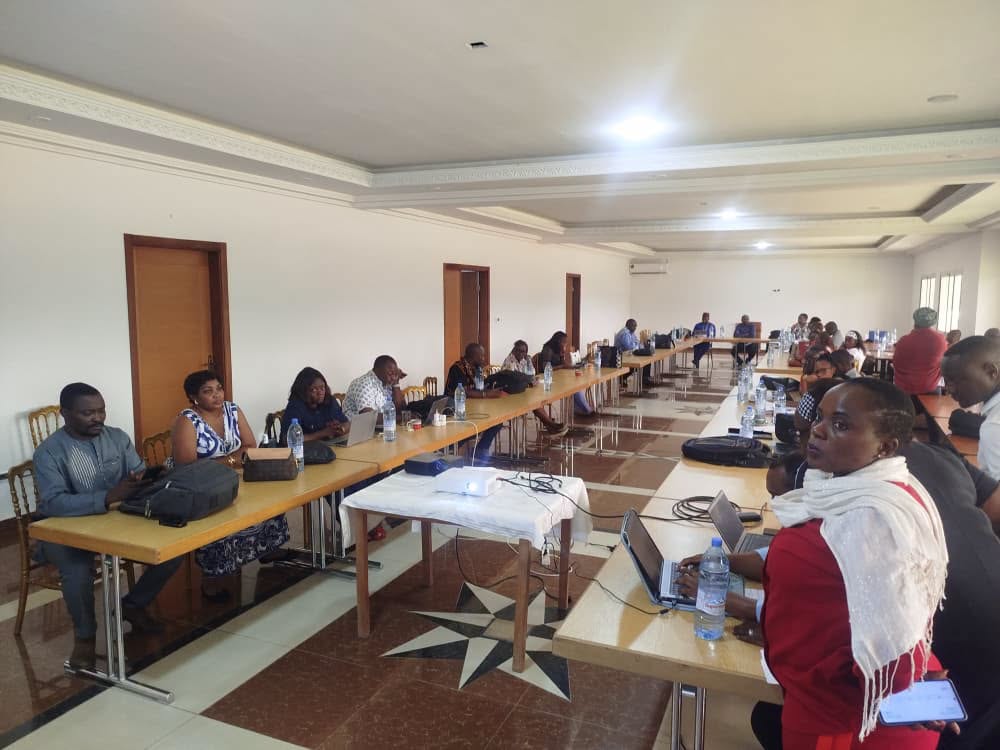
Cameroon is progressing with the development of its National Health Security Action Plan (PANSS) for the 2027-2031 period. A five-day workshop held in Mbalmayo, concluding on June 19th, brought together various stakeholders to advance this crucial initiative. Participants included representatives from the Ministry of Public Health, administrations involved in the "One Health" approach, civil society organizations, and technical and financial partners. The collective ambition is to enhance Cameroon's health security performance and bolster its capacity to manage future public health emergencies.
The workshop focused on addressing identified shortcomings in the prevention, detection, and response to public health crises. Discussions covered 19 key areas within the reference document, incorporating input from all relevant actors. The plan is structured around the three core pillars of health security: prevention, detection, and response. Key recommendations emerging from the workshop include establishing a national platform to serve as the authority for International Health Regulations (IHR), strengthening collaboration among sectoral focal points, and improving the integration of all involved parties in emergency preparedness and response.
Further recommendations aim to consolidate risk communication mechanisms and community engagement, alongside optimizing the monitoring of the future plan's implementation. This strategic framework will guide interventions from 2027 to 2031, with the primary goal of reinforcing national capacities for health emergency preparedness and response in alignment with IHR requirements.
Cameroon's initiative to develop a comprehensive National Health Security Action Plan for 2027-2031 reflects a proactive approach to public health challenges, particularly in light of global health security concerns. The "One Health" framework integration signifies an understanding of the interconnectedness of human, animal, and environmental health, a critical perspective for anticipating zoonotic disease outbreaks. The emphasis on strengthening national capacities for prevention, detection, and response, alongside improved coordination and communication, addresses systemic vulnerabilities. This strategic planning is essential for navigating the increasing complexity of global health threats in the coming decade, driven by factors such as climate change and increased human-animal interaction. By focusing on robust governance and collaborative frameworks, Cameroon aims to build resilience against future public health emergencies.
AI-generated to prompt reflection — not editorial opinion, not advice, not a statement of fact. How this works.