Cameroon: "Fake" decrees from June 8th were "true," says Jouvence party president
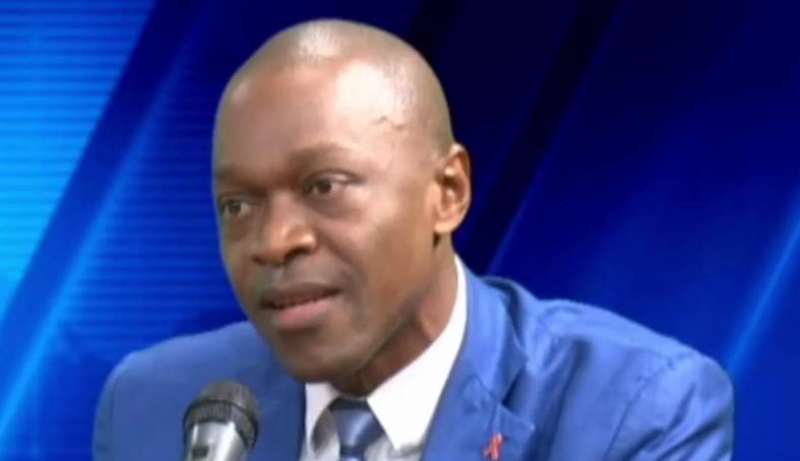
Valère Bessala, president of the Jouvence party, stated on Info TV's Libre Expression program on June 28, 2026, that decrees initially declared false and intercepted at the CRTV were in fact authentic. The controversy surrounds two decrees, one appointing a vice-president and another naming government members, which were presented in a sealed envelope to the national radio station by a young man. CRTV's radio editorial director and director-general prevented the documents from being broadcast on June 22, leading to the young man's arrest and detention by the gendarmerie. The incident, which occurred on June 23, 2026, has been described as a near "institutional catastrophe." One of the decrees, identified as decree n° 2026/202 dated June 8, 2026, reportedly names Johann Sitchom as vice-president, who is the same young man who attempted to submit the documents. Bessala argues that the decree number, 202, suggests authenticity as the previous decree was number 201. He also pointed out that Sitchom's name appears to have been added to the document, and that a well-known figure, Oswald Baboke, deputy director of the civil cabinet of the presidency, was allegedly substituted for Sitchom. Bessala suggests that Baboke may have been sacrificed in this affair, hinting at powerful instigators. He advises looking for the instigators at the location of the young man's arrest and detention, noting discrepancies in the reported locations and the lack of complaint from the suspect's family. Bessala's analysis suggests the event might be part of an attempt at an institutional coup d'état orchestrated by elements within the system.
This incident highlights the potential for manipulated information to destabilize political structures. The alleged "fake" decrees, if indeed based on authentic templates, suggest a sophisticated internal operation rather than a simple forgery. The analysis of decree numbering and name alterations by Valère Bessala points to possible procedural irregularities or deliberate insertions, raising questions about governance and oversight within the presidential administration. The involvement of high-ranking officials and the potential for an "institutional coup" indicate systemic vulnerabilities. Future scrutiny should focus on accountability mechanisms and the integrity of official document processes to prevent similar disruptions, considering the increasing ease of digital document manipulation in the current technological era.
AI-generated to prompt reflection — not editorial opinion, not advice, not a statement of fact. How this works.