Cameroon: General appointments spark debate over presidential vacancy, MP urges patience
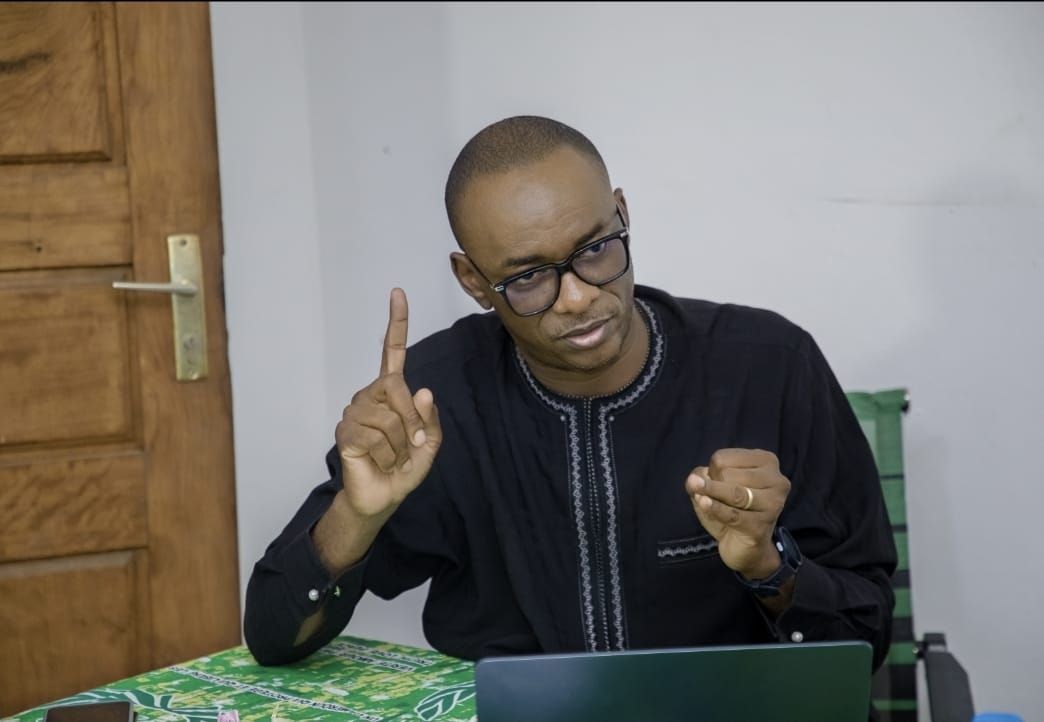
Cameroonian politician Cabral Libii, president of the National Reconciliation Cameroonian Party, is questioning the ongoing communication battle surrounding the vacancy of the presidency. Two opposing factions are engaged in this dispute. One side claims a presidential vacancy exists, citing President Paul Biya's absence abroad for over 56 days. They argue that this prolonged absence necessitates declaring a vacancy. The other side, in response, is actively working to prove President Biya is alive and working, with assurances of his imminent return. This group relies on legal arguments and the publication of presidential decrees to counter the vacancy claims. The government has denied reports of the president's death and the need to initiate vacancy procedures. Libii, observing these developments, believes the recent appointment of generals has intensified the communication campaign. Expressing distrust towards both sides, the national assembly member advises patience for greater clarity. He suggests that upcoming days will reveal the truth, determining whether vacancy announcements were false or if general appointments were made through fraudulent decrees. Libii warns that if the vacancy claims were false, social media will have crossed all boundaries of deception. Conversely, if the general appointments were based on 'false decrees' to mask a vacancy, their authors would have committed state criminality by misusing the Republic's seals. As a national deputy, Libii feels he has a duty to enlighten Cameroonians, who are currently facing uncertainty without concrete proof from either side.
The situation highlights the critical role of information dissemination and public trust in governance, particularly during periods of leadership uncertainty. The intense communication battle, fueled by social media and official pronouncements, underscores the challenges of verifying information in the digital age. The strategic use of presidential decrees and appointments, whether genuine or fabricated, can serve as powerful tools to shape public perception and political narratives. This dynamic raises questions about institutional transparency and accountability mechanisms. Moving forward, robust frameworks for verifying official communications and ensuring the integrity of state seals will be crucial. The event also prompts consideration of how political actors leverage communication strategies to navigate leadership transitions and manage public opinion, emphasizing the need for citizens to critically assess information from all sources.
AI-generated to prompt reflection — not editorial opinion, not advice, not a statement of fact. How this works.
