Cameroon Graduates 19 Women Leaders to Boost Civil Society Engagement
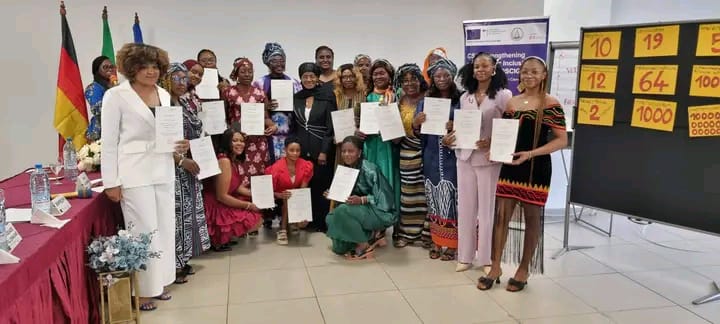
Yaoundé, Cameroon – On July 17, 2026, a new cohort of 19 women leaders from across Cameroon's ten regions graduated from the Female Leadership Academy, an initiative under the PROSCIG project. The project, implemented by GIZ, aims to strengthen the capacity of civil society organizations and promote gender inclusivity. Launched in August 2025, the academy provided intensive training over several months, equipping participants with essential skills in communication, mediation, combating gender-based violence, personal development, organizational management, community engagement, and economic empowerment. The graduation ceremony was presided over by the Minister for the Promotion of Women and Families. Beyond skill acquisition, the academy's core objective is to enhance the effectiveness of civil society organizations by fostering more assertive female leadership. The graduates are expected to become key drivers within their communities, encouraging greater female participation in development initiatives and decision-making processes. The Minister urged the laureates to leverage their newfound expertise to mentor other women, thereby creating a ripple effect throughout the country. This initiative is envisioned as a tangible tool for advancing women's rights, equal opportunities, and fostering a more inclusive civil society.
This initiative represents a strategic investment in human capital, aiming to cultivate a more robust and participatory civil society in Cameroon. By focusing on female leadership and equipping women with practical skills, the program addresses systemic barriers that may limit women's engagement in public life and community development. The emphasis on multiplier effects, where graduates are encouraged to mentor others, suggests a scalable model for empowerment. Looking ahead, the long-term impact will depend on the sustained integration of these leaders into existing governance structures and their ability to navigate evolving socio-economic landscapes, particularly in the context of increasing digital connectivity and the need for resilient community-based solutions.
AI-generated to prompt reflection — not editorial opinion, not advice, not a statement of fact. How this works.