Cameroon Hospitals Grapple with Growing Number of Unclaimed Bodies
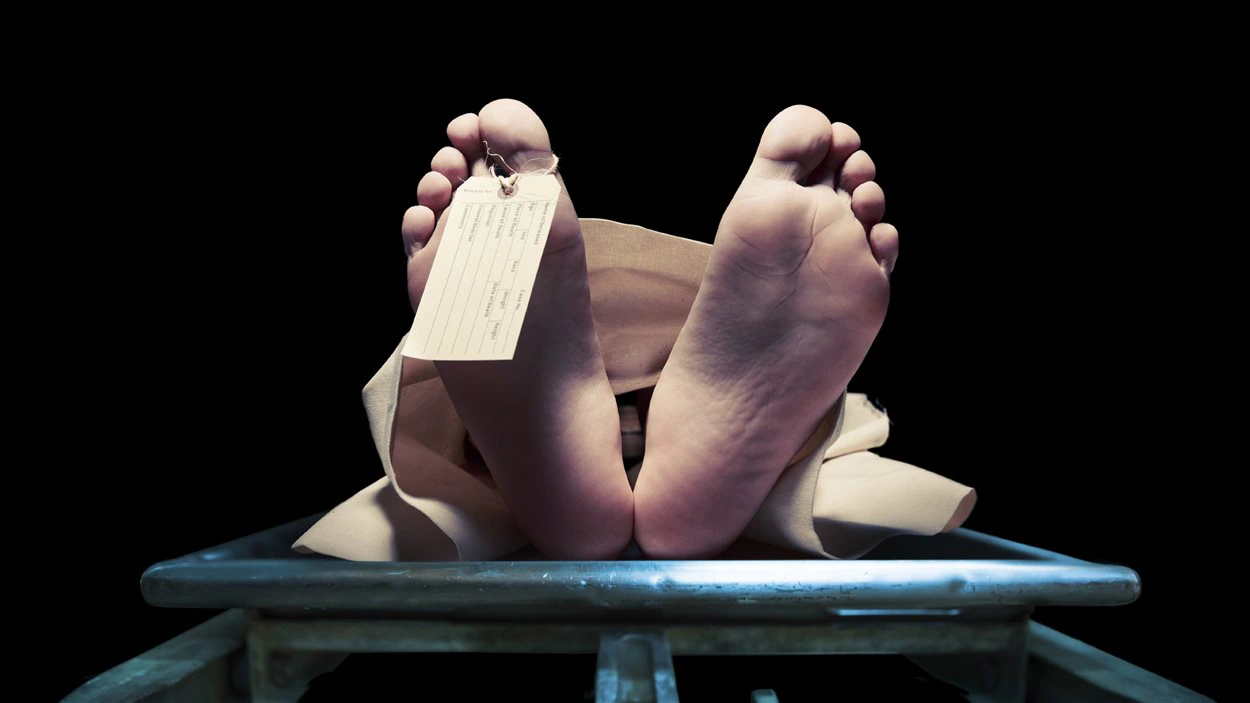
Hospitals across Cameroon are facing a recurring and concerning issue of unclaimed bodies accumulating in their morgues, complicating storage capacity and posing health risks. Major cities like Douala, Yaoundé, and Bafoussam are regularly confronted with dozens of deceased individuals whose families do not come forward. The Yaoundé General Hospital recently reported 80 unclaimed bodies, some identified and others not, many brought in by law enforcement or municipal services. The hospital has urged families to identify listed individuals, warning that unclaimed bodies will be handed over to the Yaoundé Urban Community for burial.
This problem is not isolated to Yaoundé. In Bafoussam, the regional hospital had to conduct a mass burial of 42 unclaimed bodies on April 16, 2025, after a 10-day notice. Some of these bodies had been in the morgue for up to seven years. The hospital director cited the morgue's limited capacity and the unbearable odors caused by frequent power outages as reasons for the urgent burial, emphasizing the need to free up hospital space. The accumulation of bodies strains storage, increases electricity consumption, and creates potential health hazards for the living. This phenomenon is attributed to both the precarious financial situations of some families and the irresponsibility of others, while also imposing financial burdens on healthcare facilities due to conservation and maintenance costs that go unpaid.
The persistent issue of unclaimed bodies in Cameroonian morgues highlights systemic challenges in public health infrastructure and social support systems. Frequent power outages exacerbate the problem, indicating a need for more resilient cold chain solutions and potentially decentralized mortuary services. The financial strain on hospitals, coupled with the health risks associated with prolonged body storage, suggests a critical gap in municipal or national frameworks for managing deceased individuals, particularly those from vulnerable populations. Addressing this requires a multi-faceted approach, potentially involving public awareness campaigns, streamlined identification processes, and the establishment of a dignified, cost-effective system for the final disposition of unclaimed remains, thereby alleviating pressure on healthcare facilities and upholding public health standards.
AI-generated to prompt reflection — not editorial opinion, not advice, not a statement of fact. How this works.