Cameroon: Innovative wind power control systems could boost rural electrification
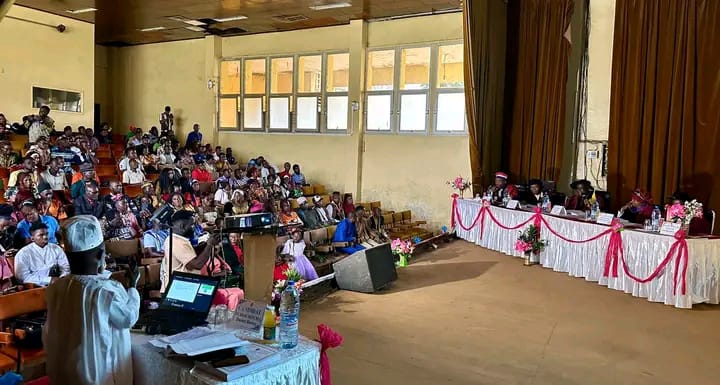
A new doctoral thesis from the University of Dschang in Cameroon presents an innovative approach to improving rural electrification through advanced wind energy systems. Dr. TCHOUMTCHA Daniel Borice, under the supervision of Professor KENNE Godpromesse, defended his research on July 13, 2026, proposing intelligent control strategies to overcome the challenges of wind power in Cameroon, such as weak winds and traditional control limitations. His work introduces two advanced control strategies: synergistic control and a higher-order Super-Twisting algorithm, designed to optimize autonomous wind installations. These technologies aim to maximize energy extraction, efficiently manage battery storage, and ensure a more stable power supply, even with fluctuating wind speeds or demand. Simulations conducted using Matlab/Simulink indicate that these novel control methods outperform conventional regulators, significantly reducing electrical disturbances and enhancing the quality and stability of the distributed power. The jury, chaired by Professor René TCHINDA, recognized the scientific merit and strategic importance of this research. It demonstrates that Cameroon's wind potential, often considered insufficient, can become a viable source for electrification with appropriate control intelligence. This research offers a credible path to accelerating access to clean energy in rural areas, reducing regional disparities, and supporting the nation's energy transition, highlighting technological innovation as crucial for Cameroon's energy sovereignty.
This research addresses a critical infrastructure challenge in Cameroon by proposing technological solutions to enhance renewable energy utilization for rural electrification. The focus on advanced control algorithms for wind power systems, particularly in regions with variable wind conditions, suggests a pathway to overcome limitations of conventional approaches. By optimizing energy capture and storage, these innovations could improve grid stability and reduce reliance on less sustainable energy sources. The work underscores the growing importance of intelligent systems in managing decentralized energy resources and highlights how academic research can directly inform public policy and national development goals, particularly in achieving energy independence and equitable access.
AI-generated to prompt reflection — not editorial opinion, not advice, not a statement of fact. How this works.