Cameroon Joins 28 Nations as Founding Member of World AI Cooperation Organization
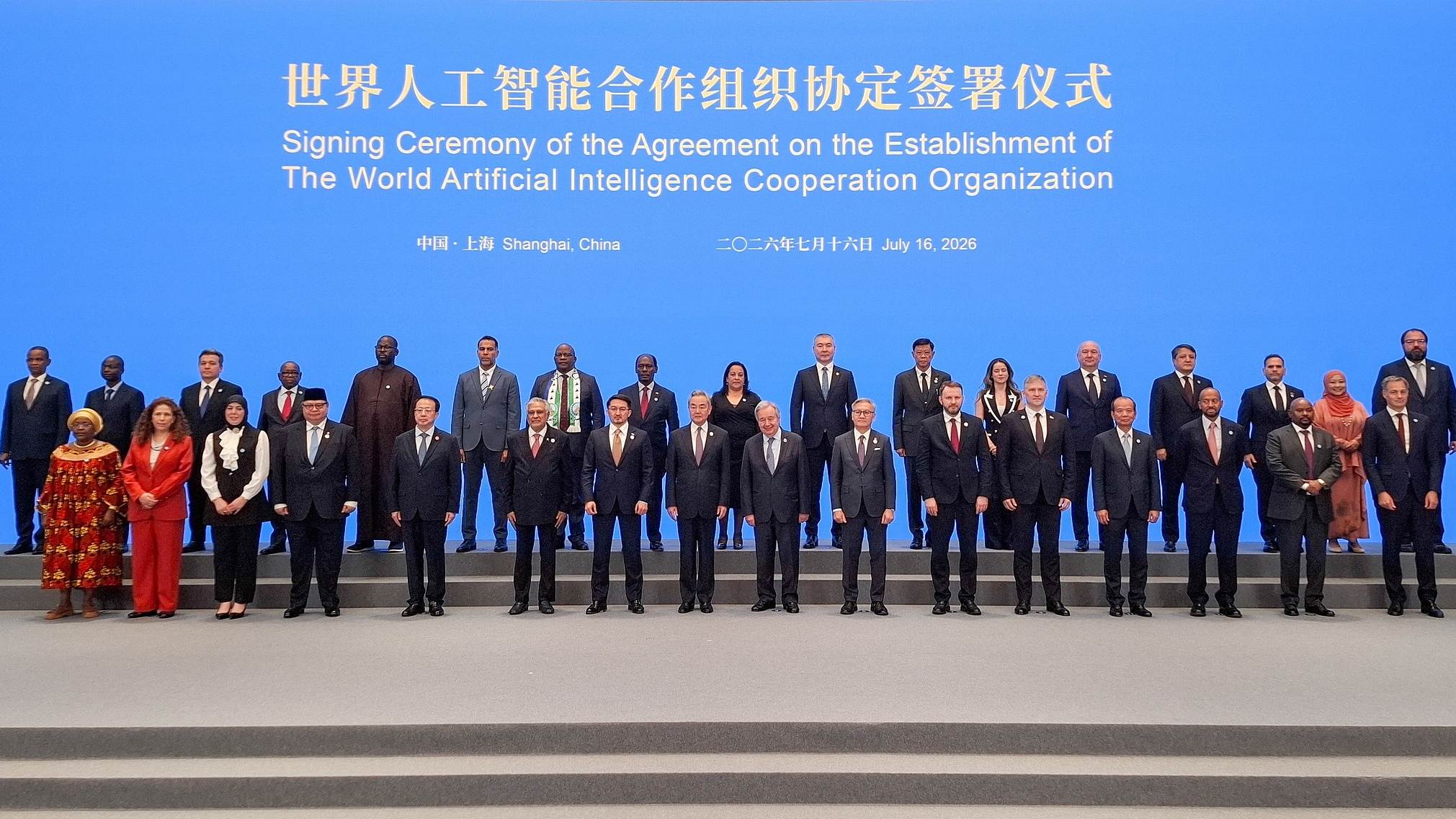
Cameroon has become one of the 29 founding member states of the World Artificial Intelligence Cooperation Organization (WAICO). The nation's Minister of Posts and Telecommunications, Minette Libom Li Likeng, signed the founding act in Shanghai, China, on July 16, 2026. This intergovernmental organization was established on the sidelines of the World Intelligence Conference, which runs from July 17 to July 20, 2026, and focuses on AI technologies, investments, applications, and governance. WAICO's creation was proposed by China in July 2025 during a global AI conference, accompanied by a global action plan for AI governance covering 13 priority areas such as digital infrastructure, scientific cooperation, and technology promotion. Headquartered in Shanghai, WAICO aims to foster international cooperation, coordinate public policies for AI development and usage, and promote a human-centered approach with shared benefits. Cameroon's participation positions it among founding members like China, Russia, and Brazil, and it is one of ten African nations involved. This move aligns with Cameroon's broader initiatives to leverage AI for economic and social transformation, supporting its ongoing efforts to develop a national AI policy, legal framework, and training modules.
Cameroon's accession to the World Artificial Intelligence Cooperation Organization (WAICO) signifies a strategic alignment with global governance trends in a rapidly evolving technological landscape. By joining as a founding member, the nation aims to influence international AI policy and gain access to collaborative frameworks, potentially accelerating its domestic AI development and digital transformation initiatives. The organization's focus on shared benefits and a human-centered approach could offer developing nations like Cameroon an opportunity to shape AI's trajectory, mitigating risks of technological exclusion. However, the effectiveness of WAICO will depend on its ability to bridge the digital divide and ensure equitable participation, particularly in translating global cooperation into tangible advancements for member states facing infrastructure and resource constraints. The organization's success will be a key indicator of whether international bodies can foster inclusive AI governance in the coming decade.
AI-generated to prompt reflection — not editorial opinion, not advice, not a statement of fact. How this works.