Cameroon: Military Command Structure in Question Amidst President Biya's Extended Absence
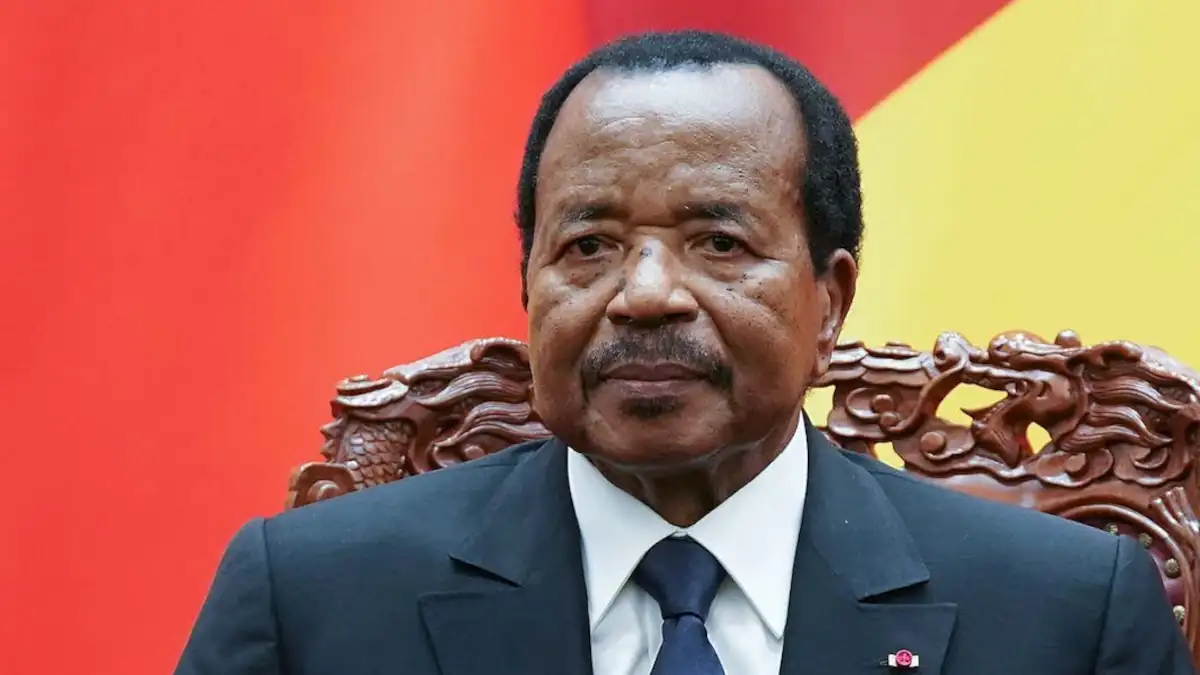
Five Cameroonian colonels have been promoted to the rank of brigadier general through a presidential decree. This development occurs while President Paul Biya, aged 93, has been outside the country for 58 days. President Biya departed Yaoundé on June 7, 2026, for a private trip to Europe, initially expected to be short. The promotions, detailed in published decrees, affect the presidential guard, which has also been placed under a new grade. The extended absence of the head of state, who has governed Cameroon since 1982, raises questions about the continuity of command and decision-making within the military and the broader government apparatus. This situation highlights potential vulnerabilities in the nation's leadership structure, particularly concerning the delegation of authority during prolonged periods of presidential absence. The specific implications for military operations and national security remain a subject of observation.
The promotion of senior military officers during an extended presidential absence suggests a proactive effort to maintain operational continuity and command structure. However, the prolonged absence of a head of state, especially one of advanced age, can create uncertainty regarding ultimate decision-making authority and strategic direction. This situation underscores the importance of robust succession planning and clear delegation protocols within governance systems to ensure stability and prevent potential power vacuums. Examining the institutional mechanisms for leadership transition and the delegation of executive powers can offer insights into the resilience of Cameroon's state apparatus in navigating such periods.
AI-generated to prompt reflection — not editorial opinion, not advice, not a statement of fact. How this works.
