Cameroon: Ministerial Disagreement on President's Extended Foreign Stay
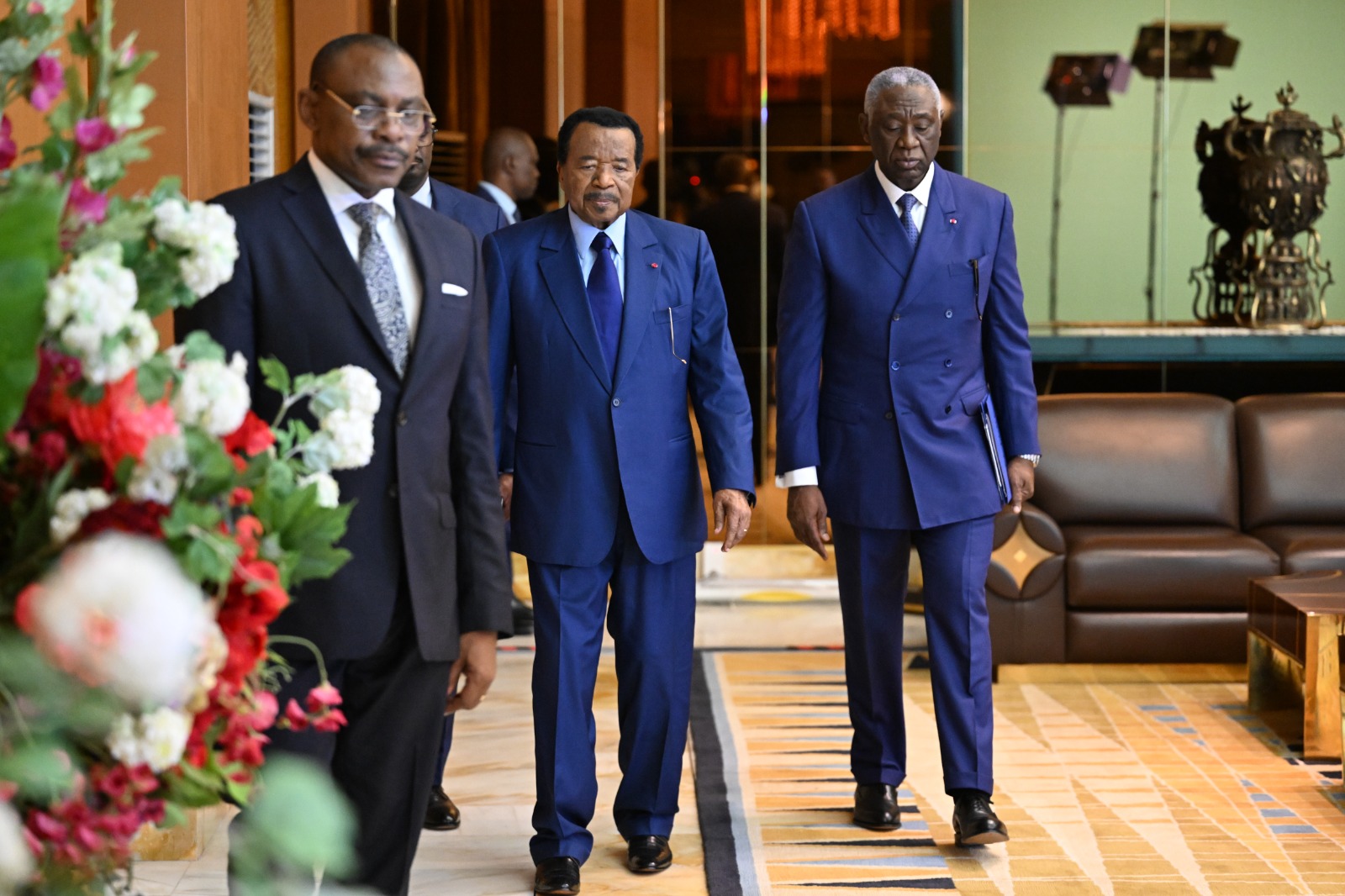
A notable contradiction has emerged between Cameroonian ministers regarding the prolonged absence of President Paul Biya, who has been abroad for over 51 days, marking his longest private stay in Europe. Minister of State Jacques Fame Ndongo asserts that no legal text limits the duration of a presidential stay outside the country. However, Minister of Labour and Social Security Grégoire Owona has introduced labor law provisions, suggesting that a worker, including the President, is entitled to an annual leave that can legally extend up to 80 days. Owona argues that the President is a 'worker' entitled to this leave, implying his current stay is an annual vacation and thus justifying its length. This stance aims to quell the growing debate fueled by the opposition, which has been calling for a declaration of presidential vacancy. The opposition cites legal and political arguments, suggesting the country is being run on 'autopilot' and accusing the regime of attempting to legitimize 'clandestine telework.' They demand a recognition of 'resignation due to unjustified absence.' The ruling party, the CPDM, has rejected these accusations, stating there is no presidential vacancy and that the Head of State is healthy and working. Minister Owona's intervention, declaring 'Game Over' to the debate, suggests that the private stay can be reclassified as annual leave, implying the public must wait the full 80 days before complaining about the President's absence. This interpretation, however, appears to conflict with the earlier statement by the CPDM's communication secretary, who emphasized the absence of any textual limits on the President's time abroad. While labor law is distinct from the constitution, its invocation in this context has raised questions, and a segment of the public is demanding greater transparency regardless of the President's status as working or on leave.
The differing ministerial statements on President Biya's extended foreign stay highlight a potential governance challenge in clearly defining the boundaries between official duties, personal leave, and constitutional responsibilities. The invocation of labor law, while intended to legitimize the prolonged absence, introduces a novel interpretation of presidential entitlements that may not align with established constitutional frameworks for executive continuity. This situation prompts consideration of how presidential absences are managed and communicated to ensure public confidence and operational clarity, particularly in an era where digital communication can blur lines between presence and absence. Future governance models might benefit from more explicit protocols regarding presidential leave and delegation of powers to mitigate such public and political debates, fostering greater predictability and transparency in state operations.
AI-generated to prompt reflection — not editorial opinion, not advice, not a statement of fact. How this works.