Cameroon MP Questions Minister on Eradicating Femicides
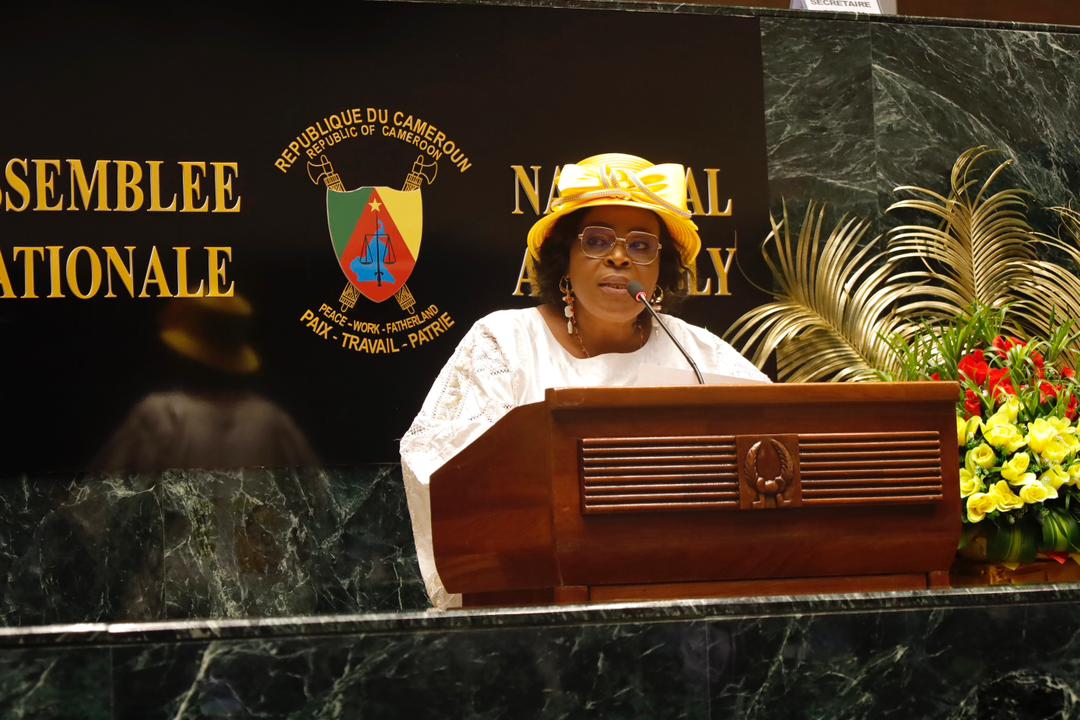
On June 19, 2026, during a plenary session at the National Assembly, Cameroonian Member of Parliament Angèle Toukam Tela raised concerns about gender-based violence, specifically femicides, with the Minister of Women's Empowerment and Family, Marie Thérèse Abena Ondoa. Globally, an estimated 85,000 women are intentionally killed annually by intimate partners or family members. In Cameroon, 56 femicides were recorded in 2023, a figure that has shown an increasing trend: 67 cases in 2024, approximately 77 in 2025, and 50 between January and April 2026. The Ministry of Women's Empowerment and Family documented 1,599 cases of gender-based violence nationwide from January to April 2026, including 166 rapes, 13 infanticides, and various forms of abuse against children. The Minister outlined government initiatives, such as ratifying international legal instruments, focusing on prevention, repression, support for victims, and strengthening institutional frameworks. However, implementation faces challenges including limited access to integrated services, insufficient inter-sectoral coordination, ongoing security crises in the Far North and Southwest regions, impunity for perpetrators, and weak regulatory enforcement. To address these, the government plans to monitor the adoption of a new law on gender-based violence, enhance coordination mechanisms, and improve data collection. Recognizing the persistent nature of the problem, Minister Abena Ondoa called for collective action, urging citizens to denounce violence, protect victims, and educate communities on respect and equality.
This parliamentary exchange highlights the persistent challenge of femicide and gender-based violence in Cameroon, despite governmental efforts. The data presented, showing an upward trend in femicides and a significant number of gender-based violence cases within a short period, underscores the severity of the issue. While the government has ratified international conventions and implemented various strategies, the identified obstacles—such as security crises, impunity, and coordination gaps—suggest systemic weaknesses in enforcement and resource allocation. Looking ahead, the effectiveness of future interventions will likely depend on addressing these root causes of implementation failure. The call for collective action, while necessary, also points to a potential gap between policy pronouncements and tangible, on-the-ground impact, particularly in regions affected by conflict. Future strategies must therefore prioritize not only legal frameworks but also community engagement and robust accountability mechanisms to foster lasting change.
AI-generated to prompt reflection — not editorial opinion, not advice, not a statement of fact. How this works.