Cameroon Opens New Agro-Industrial Plant in Bangou for Maize and Other Local Produce
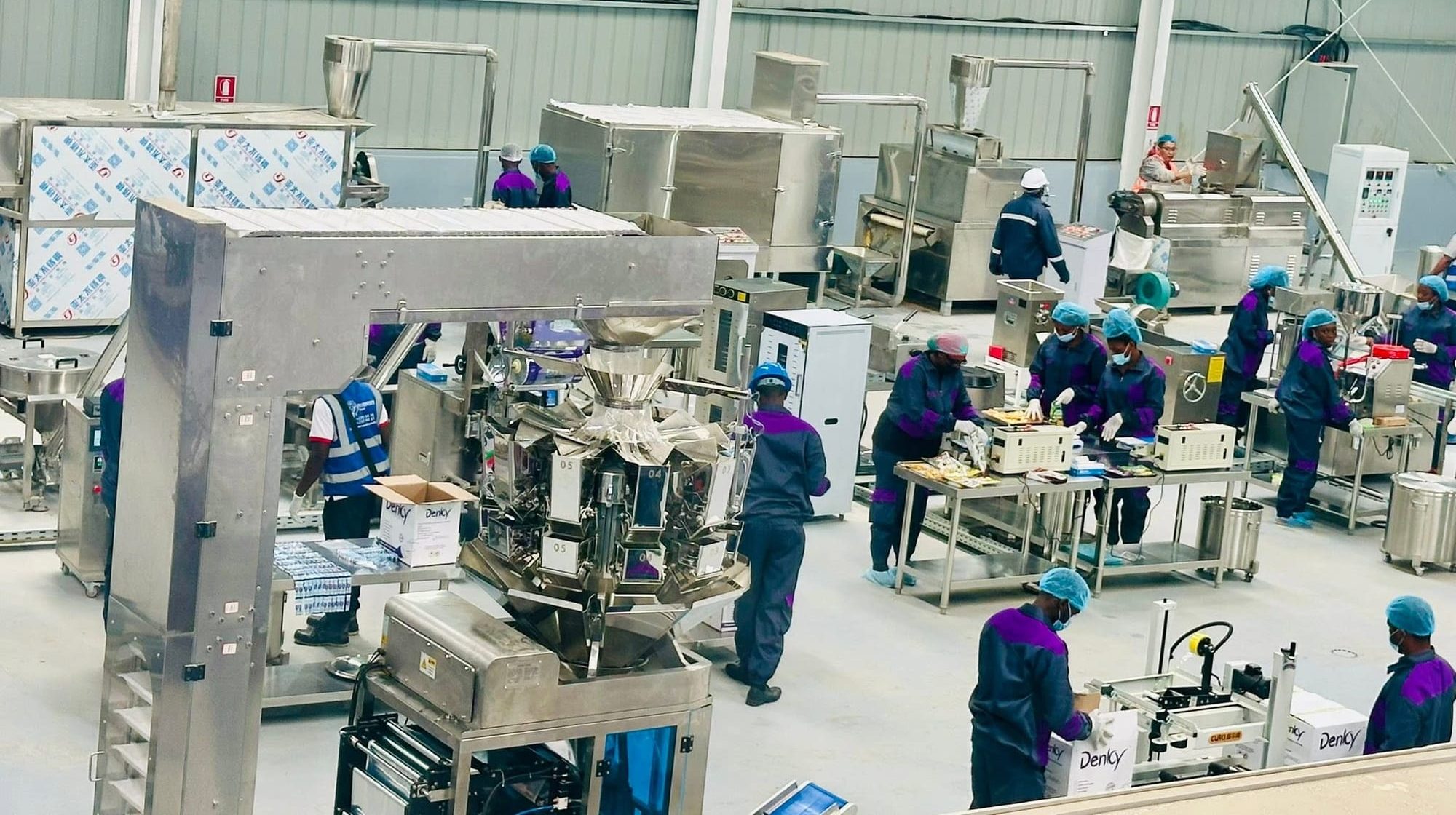
Cameroon has inaugurated a new agro-industrial plant in Bangou, dedicated to processing local agricultural products for both national and continental African markets. This initiative is part of the country's strategy for structural economic transformation. The facility, built on a three-hectare site provided by the state, will focus on transforming maize, potatoes, and fruits grown in the West region. The project is spearheaded by Meta Invest, the company behind the Denky brand, and received official endorsement from the Minister of Commerce, Luc Magloire Mbarga Atangana, alongside the Minister of Agriculture and Rural Development, Gabriel Mbaïrobe. Promotora Lisette Claudia Tame Soumedjong outlined the plant's significant potential benefits. With an annual processing capacity of 5,200 tons and a product range of five consumer goods, the factory is expected to generate over 100 direct jobs and approximately 450 indirect employment opportunities. The processed goods will be distributed across Cameroon's 360 communes and within the Central African sub-region. Looking further ahead, the company aims to tap into the broader African continental market, leveraging the African Continental Free Trade Area (AfCFTA) which represents a market of 1.3 billion potential consumers. The Minister of Commerce highlighted the plant's contribution to regional agricultural development, fostering second-generation agriculture, creating youth employment, combating rural exodus and unemployment, developing new valuable skills, and promoting the "Made in Cameroon" label.
The establishment of this agro-industrial plant in Bangou represents a strategic effort by Cameroon to enhance its agricultural value chain and stimulate economic growth through local processing. By focusing on transforming staple crops like maize and potatoes, the initiative aims to reduce post-harvest losses, increase farmer incomes, and create employment opportunities, thereby addressing key developmental challenges such as unemployment and rural exodus. The plant's ambition to serve both domestic and continental markets, particularly within the framework of the AfCFTA, signals a forward-looking approach to leveraging regional trade agreements. Future success will likely depend on ensuring consistent supply chains, maintaining product quality, and navigating the complexities of intra-African trade logistics, while also fostering innovation in processing technologies to remain competitive.
AI-generated to prompt reflection — not editorial opinion, not advice, not a statement of fact. How this works.