Cameroon: Over 1000 Candidates Pass Bar Exam for Lawyer Internship
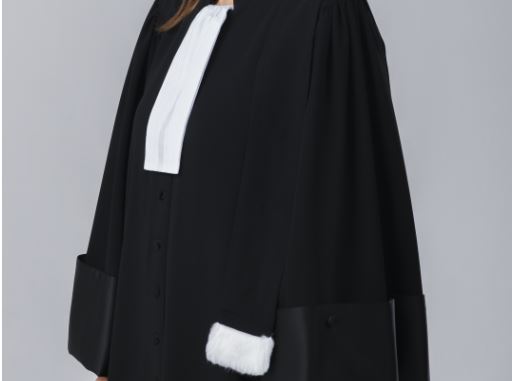
Cameroon has announced the final results for the 2026 aptitude exams for lawyer internships, with 1008 candidates successfully admitted. The announcement was made via a decree issued on July 2, 2026, by the Minister of State and Keeper of the Seals, Laurent Esso. This decree follows the jury's report submitted on June 30, concluding months of organizational work for the competitive examination. These successful candidates, who come from diverse backgrounds, will now embark on a two-year internship in law firms after taking an oath to practice law ethically. The selection process involved both written and oral examinations, with 547 candidates who had passed the written tests being rejected after the oral exams held on June 23 and 24. The process was not without its controversies, including issues with obtaining sponsorship letters, the absence of some candidates from the examination list, and reported cases of fraud. However, the Bar Association, through its President Me Mbah Eric Mbah, has consistently emphasized the goal of selecting the most competent individuals to join the legal profession. This marks the second such examination organized under Mbah's leadership, following a suspension of several years.
The announcement of the 2026 lawyer internship aptitude exam results in Cameroon, with over 1000 candidates admitted, highlights the ongoing demand for legal professionals and the structured pathway into the profession. The process, while competitive and subject to scrutiny regarding sponsorship, candidate eligibility, and integrity, ultimately aims to uphold professional standards. Future considerations for the legal education system in Cameroon might involve exploring how to enhance transparency and accessibility in such high-stakes examinations, potentially leveraging digital platforms for greater efficiency and public trust. Examining the long-term impact of these admission cycles on the legal landscape, considering factors like specialization, geographical distribution of lawyers, and the evolving needs of society, will be crucial for sustainable development within the legal fraternity.
AI-generated to prompt reflection — not editorial opinion, not advice, not a statement of fact. How this works.