Cameroon: Over 600 Human Trafficking Victims Found, Suspects Arrested
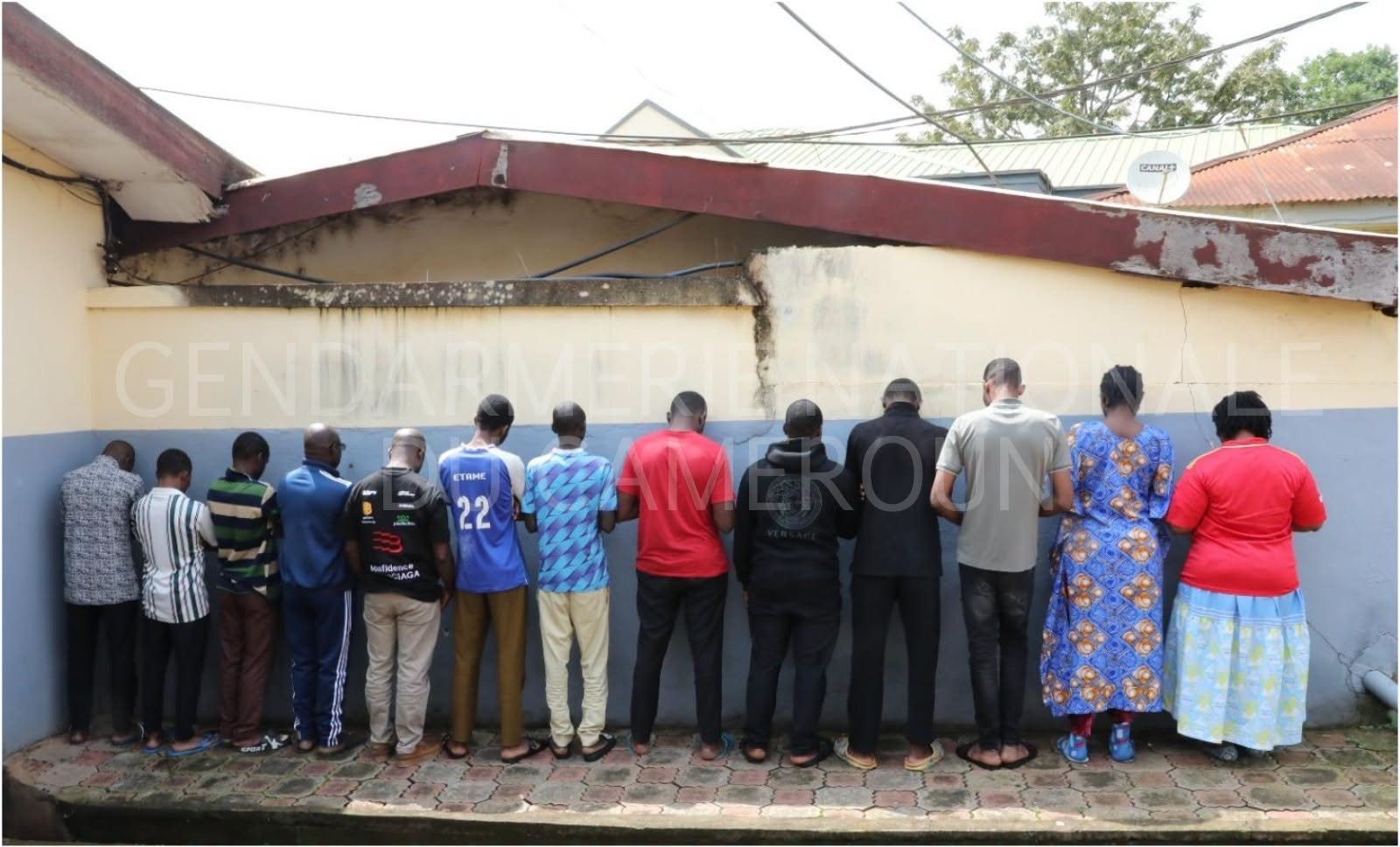
Cameroonian national gendarmerie has identified over 600 victims of human trafficking following the dismantling of a large network operating in Cameroon and other Central and West African countries. The network allegedly used "network marketing" activities as a cover for its operations, associated with structures like QNET, IGNITE, and UNIMEC. Thirteen individuals have been arrested, including six key coordinators in Cameroon and seven active representatives or intermediaries.
Investigations, initiated on May 16, 2026, after reports of online scams and kidnappings of relatives abroad, uncovered several properties used as logistical bases and shelters in Douala, Bafoussam, Ebolowa, Kye-Ossi, Bertoua, Ngaoundéré, Maroua, and Yaoundé. The masterminds of this operation are reportedly based in Malaysia, with active branches in West and Central Africa. They primarily target vulnerable youth, job seekers, students, and those seeking to emigrate.
Victims are lured with false promises of employment or overseas training, high returns, and risk-free investments. They are then subjected to aggressive recruitment tactics, forced to pay substantial fees, and housed in crowded conditions under coercive supervision. Some victims from southern Cameroon are trafficked to Nigeria via Garoua, while Chadians are integrated into local networks in Yaoundé. The investigation is ongoing, with efforts to locate two identified individuals in the Democratic Republic of Congo and the Central African Republic. Those arrested will face the public prosecutor in Yaoundé. This operation aims to combat human trafficking and raise awareness among young people susceptible to such schemes.
This operation highlights the sophisticated and transnational nature of modern human trafficking networks, which exploit economic precarity and the desire for opportunity. The use of legitimate-seeming business structures like network marketing provides a plausible cover, making detection and intervention challenging. The involvement of actors based in Malaysia, with operations spanning multiple African regions, underscores the need for enhanced international cooperation in law enforcement and intelligence sharing. Future efforts should focus on disrupting the financial flows and technological infrastructure that enable these networks, alongside robust victim support and re-integration programs. Addressing the root causes of vulnerability, such as unemployment and limited educational access, remains critical for long-term prevention.
AI-generated to prompt reflection — not editorial opinion, not advice, not a statement of fact. How this works.