Cameroon: Patrick Mengue sentenced to 6 months for Facebook comment; lawyer decries abuse of power
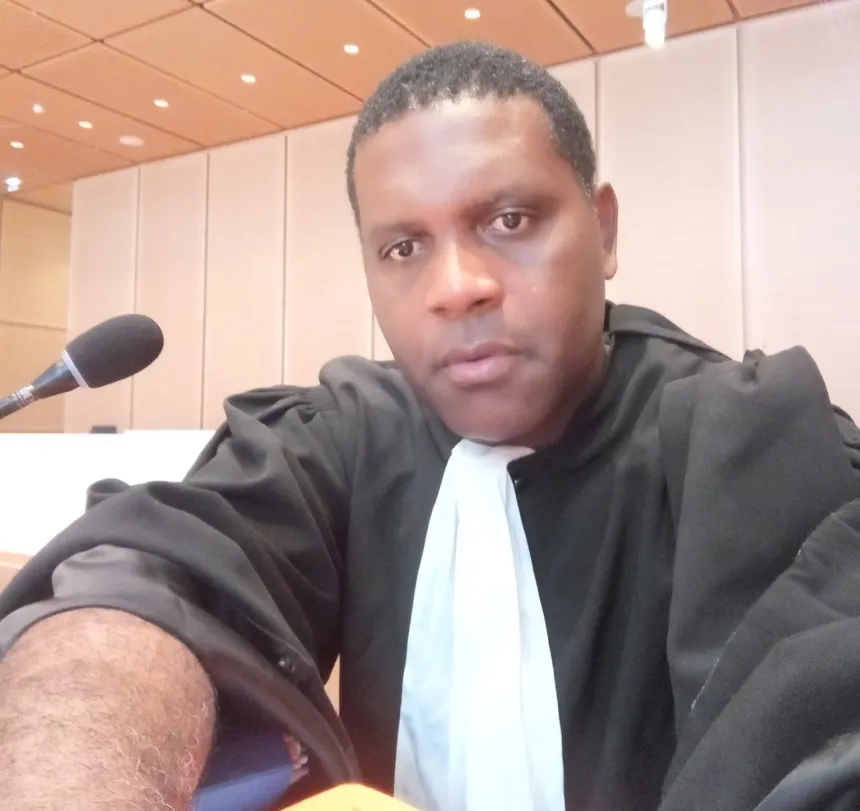
A Cameroonian court has sentenced Patrick Mengue to six months in prison for "outrage to the President of the Republic." The charge stems from a Facebook comment where Mengue, a young Cameroonian, prayed for God to "take" the head of state, stating, "Lord, you are already getting closer to the target, one more effort please." The ruling by the Yaoundé Centre Administratif Court of First Instance on July 27, 2026, has sparked public concern and criticism. International lawyer Christian Bomo Ntimbane, who identifies as an opponent of the current regime, has strongly condemned the verdict. Ntimbane argues that wishing for a head of state's death is not a recognized offense in most democratic nations, suggesting that many individuals worldwide would face similar charges if such expressions were criminalized. With 30 years of legal experience, he claims to have never witnessed a similar conviction, either in Cameroon or internationally, based solely on a wish expressed by an individual. Ntimbane voiced his apprehension about the potential for numerous Cameroonians to face similar fates for expressing disapproval of authorities. He aligns with Mengue's defense lawyer, Batam Nkolong, who also stated that the justice system failed to act independently in this case. Nkolong intends to file an appeal with the Centre Court of Appeal.
This case highlights the tension between freedom of expression and national security or presidential dignity laws. While the legal framework in many countries allows for criticism of leaders, direct wishes for their demise, even if framed as prayer, can be interpreted as incitement or disrespect, depending on the specific statutes and judicial interpretation. The lawyer's argument that such an offense is rare in democratic nations suggests a potential divergence in Cameroon's legal application of free speech principles compared to international norms. This situation raises questions about the scope of acceptable discourse regarding political leaders and the potential for such laws to be used to suppress dissent, particularly in the context of upcoming elections or periods of political sensitivity. The focus on a single Facebook comment, leading to a prison sentence, prompts consideration of proportionality in judicial responses to online speech and the broader implications for digital activism and public commentary on governance.
AI-generated to prompt reflection — not editorial opinion, not advice, not a statement of fact. How this works.