Cameroon: Presidential Vacancy Debate Divides Ruling Party and Opposition
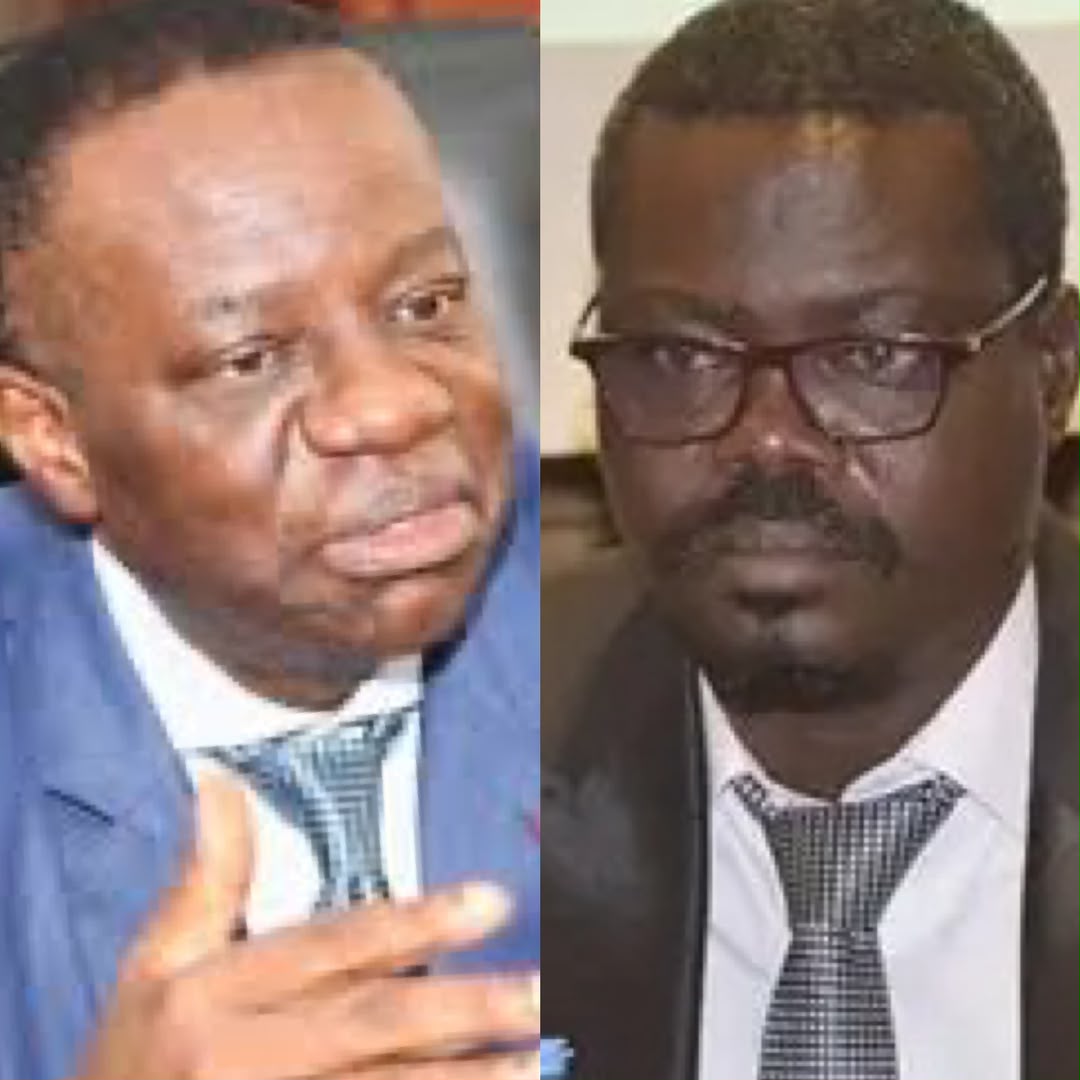
A debate over a potential vacancy in the Cameroonian presidency has intensified following President Paul Biya's prolonged absence in Europe. Opposition figures, including Member of Parliament Jean-Michel Nintcheu and academic and opponent Pr. Jean Calvin Aba’a Oyono, are calling on the Constitutional Council to declare the presidency vacant. They argue that President Biya's 44-day absence, initially described as a "short private stay," warrants such a declaration. Oyono further points to ambiguities in the constitution regarding the duration of a president's absence abroad and the Constitutional Council's role in such situations, noting that this paralysis affects urgent decrees and vice-presidential appointments. In response, the communication secretary for the ruling Cameroon People's Democratic Movement (CPDM), Pr. Jacques Fame Ndongo, has vehemently rejected the notion of a vacancy. Ndongo, who is also the Minister of Higher Education, stated that no law specifies a maximum duration for presidential stays abroad and asserted that the head of state continues to work regardless of his location, urging an end to "fabrications and big lies." He insisted that governance is not paralyzed and called for everyone to focus on their work. This rebuttal did not silence the opposition, with Mamadou Mota, the first vice-president of the Movement for the Renaissance of Cameroon (MRC), criticizing the government's stance. Mota dismissed the argument about the lack of legal limits on presidential absence as sophistry, characterizing Biya's 44 days abroad as a "de facto exile." He argued that presidential duties must be performed from "the heart of the nation" and not through "clandestine remote work," suggesting that presidential functioning cannot be maintained by signing documents from Geneva for implementation in Yaoundé. The debate is expected to continue as long as President Biya remains abroad, and the underlying constitutional ambiguities surrounding presidential absences require clarification to prevent future disputes.
The ongoing debate in Cameroon regarding the presidential vacancy highlights a critical tension between constitutional interpretation and political realities. The opposition's invocation of the Constitutional Council underscores a desire for institutional checks and balances, particularly when a head of state's prolonged absence raises questions about governance continuity. Conversely, the ruling party's defense emphasizes the absence of explicit legal limitations on presidential travel, framing the situation as a matter of administrative procedure rather than constitutional crisis. This divergence reflects a broader challenge in many political systems: how to address situations not explicitly covered by existing legal frameworks, especially concerning executive power. The situation prompts consideration of how future constitutional reforms could provide clearer guidelines for presidential absences, thereby mitigating political disputes and ensuring predictable governance. This could involve defining specific triggers for vacancy declarations or establishing interim leadership protocols to maintain governmental function during extended executive absences, aligning with principles of transparency and accountability in public administration.
AI-generated to prompt reflection — not editorial opinion, not advice, not a statement of fact. How this works.