Cameroon Reaffirms Multilateralism Commitment at Francophonie Parliamentary Assembly Session
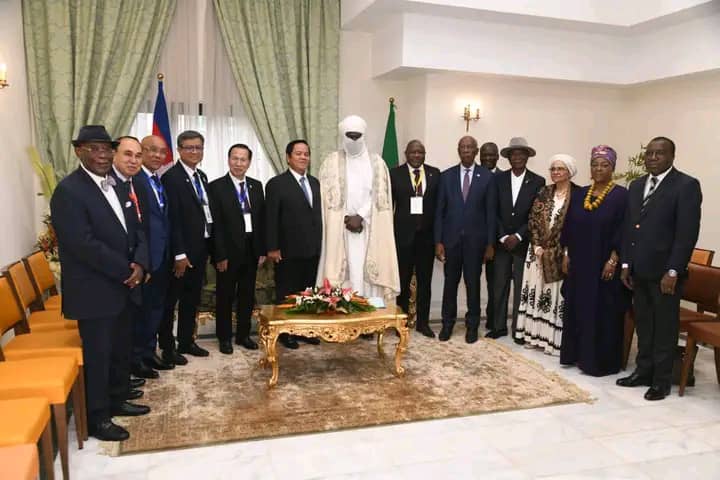
At the closing of the 51st Session of the Parliamentary Assembly of La Francophonie (APF) in Yaoundé on July 11, 2026, Cameroonian Senate President Aboubakary Abdoulaye urged francophone parliamentarians to champion dialogue, cooperation, and solidarity amidst international crises. The session concluded with a strong advocacy for multilateralism and inter-state cooperation. Abdoulaye congratulated the newly elected APF President, Nathalie Roy, and paid tribute to Hilarion Etong of Cameroon for his successful tenure, which was noted for its dedication to parliamentary dialogue. The assembly's work focused on two main themes: multilateralism and state sovereignty, alongside climate change. In response to global conflicts, declining international cooperation, and a deficit in climate solidarity, Abdoulaye called for more inclusive and equitable cooperation mechanisms among francophone parliaments. He also stressed the importance of effectively monitoring resolutions from APF bodies, including the Francophone Parliament for Youth and the Network of Women Parliamentarians. Expressing gratitude to Cameroonian authorities for hosting the event, Abdoulaye acknowledged President Paul Biya's support and reiterated Cameroon's commitment to advancing La Francophonie and parliamentary diplomacy.
The 51st APF Session in Yaoundé highlights a recurring global tension between national sovereignty and the necessity of multilateral cooperation, particularly in the face of climate change and geopolitical instability. While the assembly's discourse emphasizes solidarity and equitable partnerships, the practical implementation of resolutions faces systemic challenges. The call for "more inclusive and equitable" mechanisms suggests an awareness of existing power imbalances within international frameworks. Future effectiveness will depend on translating these aspirations into concrete, enforceable agreements that address the divergent interests and capacities of member states, rather than relying solely on diplomatic reaffirmations. The emphasis on parliamentary diplomacy offers a potential avenue for fostering deeper understanding and collaborative problem-solving, but its impact is contingent on sustained political will and robust follow-through mechanisms.
AI-generated to prompt reflection — not editorial opinion, not advice, not a statement of fact. How this works.