Cameroon's 2025 Domestic Gas Subsidy Decreases to 48.96 Billion CFA Francs
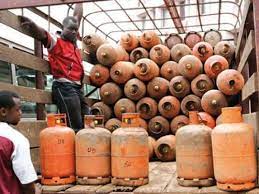
Cameroon's state subsidy for domestic gas consumption saw a year-on-year decrease, falling by 3.64 billion CFA francs from 52.6 billion in 2024 to 48.96 billion in 2025. This represents a regression rate of -6.92%. Despite this reduction, the 2025 subsidy amount remains higher than the 42.5 billion CFA francs allocated in 2023. The Caisse de stabilisation des prix des hydrocarbures (CSPH) fully covered the domestic gas subsidy expenses for 2025. This performance was acknowledged by the CSPH's board of directors during their 57th session held on June 24, 2026, in Yaoundé. The meeting focused on evaluating CSPH's 2025 performance and approving its financial statements as of December 31, 2025. The session also confirmed the continuous supply of petroleum products to the national market throughout 2025. Notable increases were observed in the consumption of gasoline (super) and diesel, rising by 4%, and a significant 13% surge in domestic gas consumption. The financial review for the year ending December 31, 2025, revealed a net equity of 170.283 billion CFA francs, total revenues of 99.296 billion CFA francs, total expenses of 92.165 billion CFA francs, and a net profit of 7.13 billion CFA francs. The proceedings were chaired by Luc Magloire Mbarga Atangana, who serves as both the chairman of the board and the Minister of Commerce.
The Cameroonian government's continued substantial subsidy for domestic gas, despite a slight reduction in 2025, highlights a persistent policy choice to shield consumers from market price volatility. While the decrease signals a move towards fiscal consolidation, the overall expenditure remains significant, indicating the ongoing economic trade-offs between affordability and public finance sustainability. This policy, overseen by the CSPH, influences energy consumption patterns, as evidenced by the rise in domestic gas usage. Future policy decisions will likely balance the imperative of energy access with the broader fiscal health of the nation, potentially exploring alternative support mechanisms or gradual subsidy phase-outs in the context of evolving global energy markets and domestic economic conditions.
AI-generated to prompt reflection — not editorial opinion, not advice, not a statement of fact. How this works.