Cameroon's 93-year-old President Paul Biya's prolonged absence sparks controversy
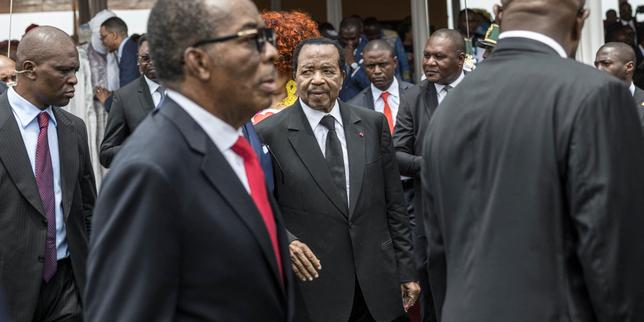
Cameroon's President Paul Biya, the world's oldest head of state at 93 years old, has been absent from the capital, Yaoundé, since June 7th. This prolonged absence has fueled speculation and questions regarding his health and the perceived inertia of the government. President Biya has been in power since Cameroon's independence in 1960, meaning the country has never experienced a political alternation in leadership. Despite the growing controversy and public concern, a statement from the highest levels of the state insists there is 'no drowsiness at the top of the state.' The situation highlights a long-standing political dynamic in Cameroon, which has not seen a change in leadership since its founding.
The extended absence of President Paul Biya, a figurehead in Cameroonian politics since independence, raises questions about governance continuity and the mechanisms for leadership transition in a nation that has not experienced political alternation. The insistence from state officials that there is 'no drowsiness' may be an attempt to project stability amid public concern, but it does not address the underlying systemic issues related to the age and prolonged tenure of a head of state. In the context of the evolving global landscape, particularly the increasing influence of technology and the demand for dynamic leadership, such situations can test national resilience and create opportunities for speculation. The long-term implications for Cameroon's political and economic development hinge on how these governance questions are addressed, emphasizing the importance of robust institutional frameworks that ensure stability and accountability regardless of individual leadership circumstances.
AI-generated to prompt reflection — not editorial opinion, not advice, not a statement of fact. How this works.