Cameroon's Family Allowance Audit: Nearly 119,000 Public Servants Still Need Enrollment
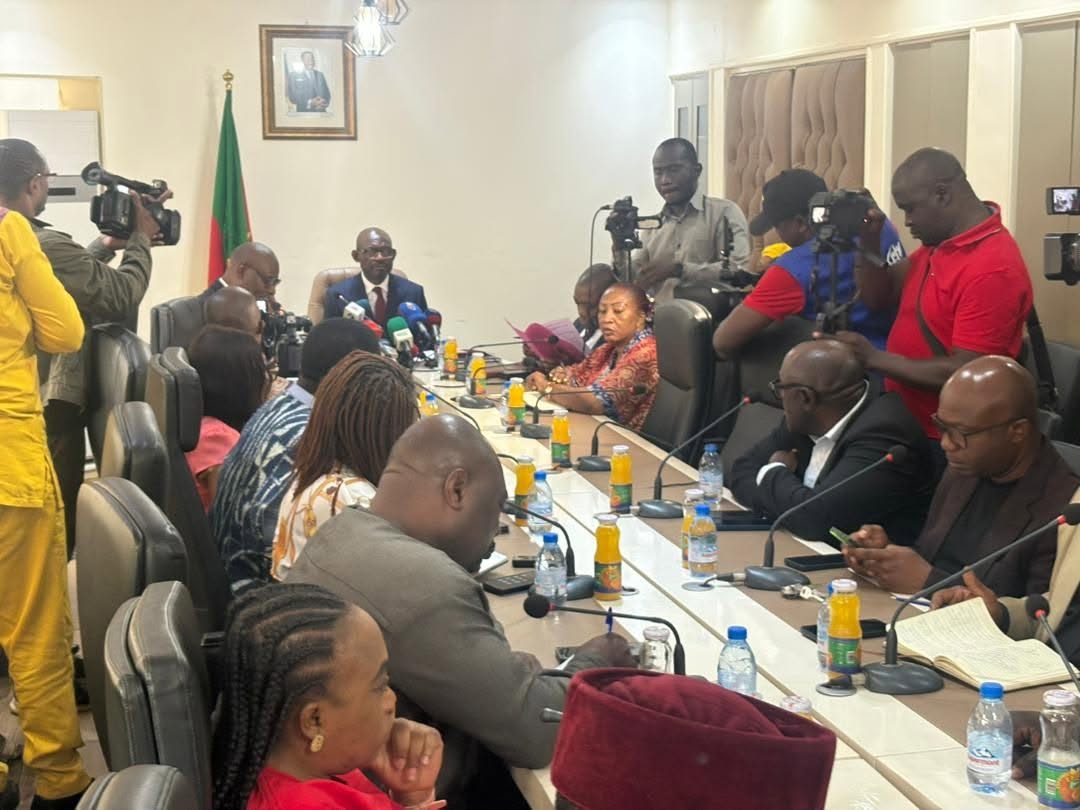
Cameroon's Ministry of Finance has launched the second phase of Operation AALFA, an initiative to regularize family allowances for public servants. The current goal is to enroll 118,950 public employees who were not registered during the initial phase. The first phase successfully registered just over 61,800 agents, representing approximately one-third of the overall target of 180,000, with a participation rate of 34.2%.
Challenges encountered in the first phase have led the ministry to adjust its strategy for the second phase. This revised approach emphasizes proximity, reinforcing field teams, expanding collection centers nationwide, and intensifying communication efforts to reach agents in remote areas. Beneficiaries who have not yet submitted their applications are urged to visit designated sites with all required documentation. The operation aims to authenticate the rights of public servants and has already identified anomalies such as missing mother's names, suspicious serial numbers and issue dates, and inconsistencies in civil status records.
Director General of the Budget at the Ministry of Finance, Cyrill Edou Alo’o, stated that the government mandated a 24-month audit in response to a 55% increase in declared children for family allowances between June 2024 and March 2026, totaling an additional 328,579 beneficiaries. The overarching objective is to clean up the public payroll by identifying "fictitious children" and fraudulent birth certificates, distinguishing between genuine errors and deliberate fraud to protect legitimate entitlements and halt unjustified payments.
The Cameroonian government's initiative to audit family allowances for public servants highlights a common challenge in managing large public payrolls: ensuring accurate beneficiary data and preventing fraudulent claims. The substantial increase in declared dependents and the subsequent audit suggest a systemic vulnerability that could lead to significant financial leakage. The operation's second phase, with its focus on outreach and data verification, aims to rectify these issues by distinguishing between administrative errors and intentional fraud. This process is critical for fiscal responsibility, ensuring that public funds are allocated appropriately and that legitimate entitlements are protected, while also deterring future attempts at exploitation through robust data integrity measures.
AI-generated to prompt reflection — not editorial opinion, not advice, not a statement of fact. How this works.