Cameroon's Far North Region Faces Escalating Cholera Outbreak
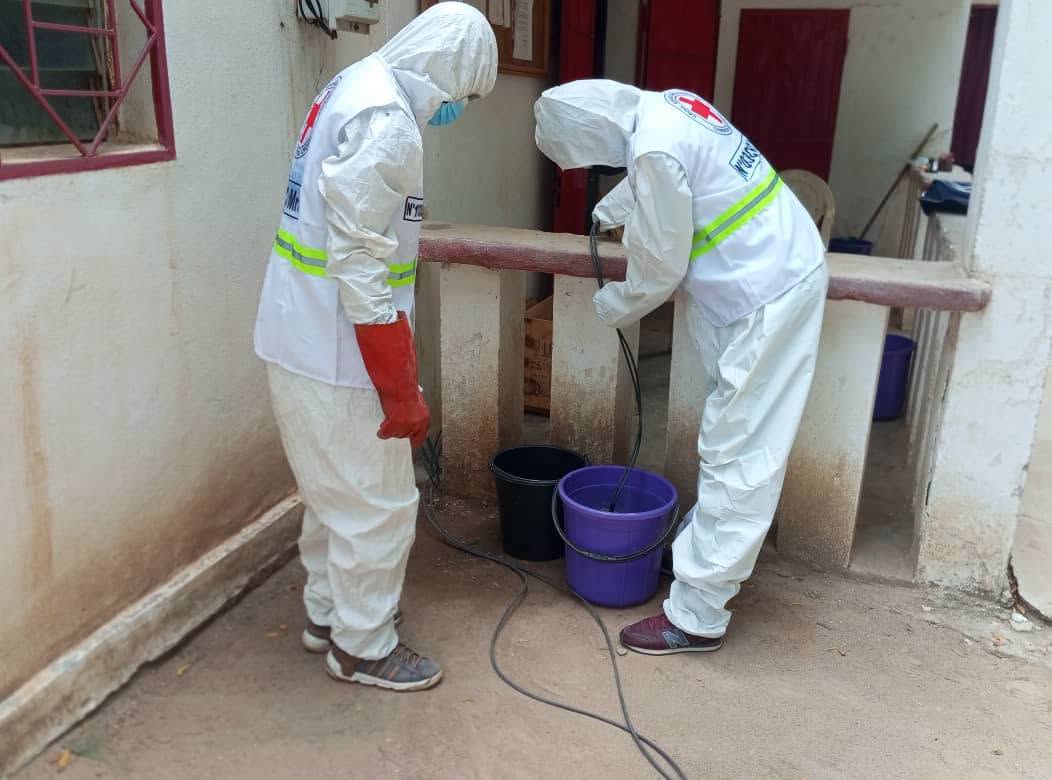
The Far North Region of Cameroon is experiencing a significant cholera outbreak, with administrative and health authorities, alongside partners, intensifying response efforts. As of July 23, 2026, 584 cases have been recorded, resulting in 19 deaths. The epidemic is currently affecting seven out of the region's 37 health districts. Health officials note a concerning increase in cases between June and July, prompting a strategic reassessment of the response plan. A meeting on July 23 focused on identifying and addressing challenges in implementing the current strategy to better manage the evolving epidemic. Local administrative officials are actively conducting prevention campaigns, such as the "clean Thursday" initiative led by Maroua 1st sub-prefect Denis Atkalaï. This campaign emphasizes hygiene and sanitation measures, including eliminating stagnant water, proper waste management, and regular hand and food washing. The regional transport delegation is also involved, inspecting bus stations to enforce hygiene standards like vehicle disinfection and latrine maintenance. Beyond immediate outbreak response, long-term prevention strategies involve improving access to clean water, promoting safe food practices, and enhancing healthcare services. Better management of the rainy season is also seen as crucial for reducing cholera transmission risks.
The escalating cholera outbreak in Cameroon's Far North Region highlights persistent challenges in public health infrastructure and access to basic sanitation, particularly in areas prone to waterborne diseases. The current response, while active, appears to be reactive, with authorities adjusting strategies mid-crisis. This suggests a need for more robust, proactive, and integrated approaches to water, sanitation, and hygiene (WASH) that are resilient to seasonal variations and population density. Looking ahead, the interplay between climate patterns, such as intensified rainy seasons, and public health crises will likely become more pronounced, demanding anticipatory governance and sustained investment in resilient infrastructure. Addressing the root causes of vulnerability, including poverty and limited access to healthcare, is critical for long-term epidemic control and community well-being in the face of future health challenges.
AI-generated to prompt reflection — not editorial opinion, not advice, not a statement of fact. How this works.