Cameroon's Finance Minister Launches 2027 Budget Preparations with Focus on Public Spending Efficiency
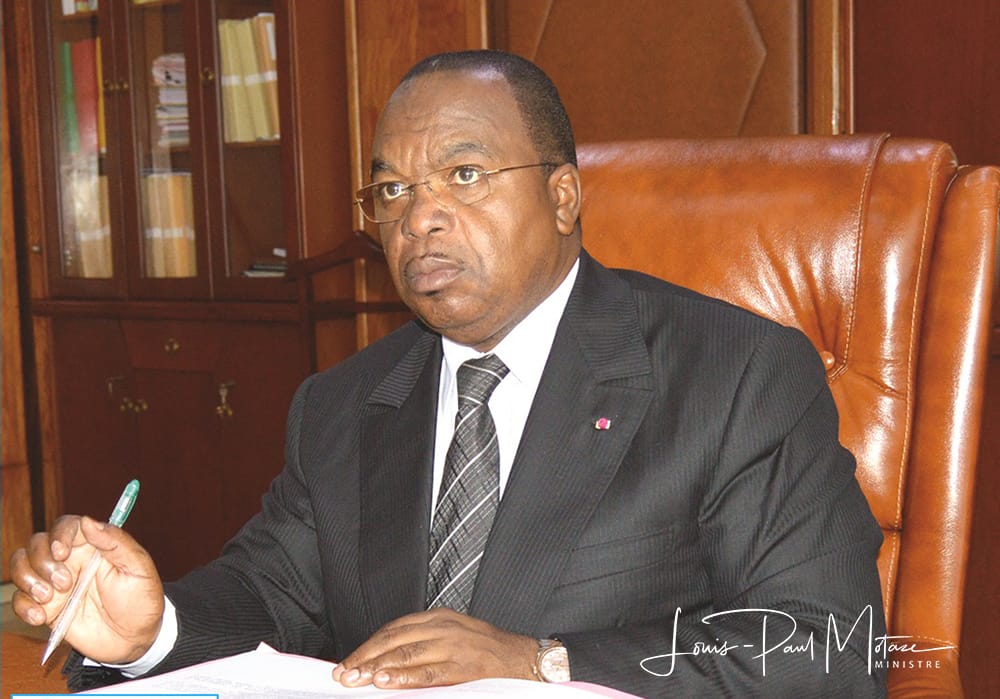
Cameroon's Minister of Finance, Louis Paul Motaze, initiated the preparatory work for the 2027 national budget on Tuesday, July 28, 2026, in Yaoundé. The objective is to shift from diffuse spending to impactful investments that improve daily life, prioritizing public service delivery, economic growth, and purchasing power. This two-day seminar marks the official start of the budget preparation process, emphasizing a results-oriented approach rather than mere accounting. The budget will focus on three key areas: enhancing public service efficiency through faster payments, digitalization, and closer proximity to citizens, with ministries to be evaluated on performance. Significant resources will be allocated to strategic projects in infrastructure, energy, water, health, and education, with a new emphasis on optimizing these investments to stimulate the economy and create jobs. Additionally, the budget aims to protect citizens' purchasing power by mitigating price shocks through targeted subsidies, support for local production, and social safety nets, ensuring that economic growth benefits households. Minister Motaze stated that the 2027 budget will be one of deliberate choices, requiring each ministry to justify the utility and impact of its expenditures. The initial exchanges will establish macroeconomic frameworks, followed by ministry-specific budget conferences, with the overarching goal of ensuring public funds directly contribute to growth and tangible improvements in the lives of Cameroonians.
The Cameroonian government's stated intention to prioritize impactful public spending and measurable results in its 2027 budget preparation signals a potential shift towards more efficient resource allocation. The focus on "useful public spending" and "transformative investments" suggests an awareness of the need to move beyond traditional budgetary cycles towards outcomes that directly benefit citizens and stimulate economic growth. This approach, if effectively implemented, could address systemic inefficiencies and improve the return on public investment. Future evaluations will likely assess whether this strategic recalibration translates into demonstrable improvements in public services, economic indicators, and household well-being, particularly in the context of evolving global economic pressures and the increasing demands of a digitalizing world.
AI-generated to prompt reflection — not editorial opinion, not advice, not a statement of fact. How this works.