Cameroon's Higher Education Ministry Revamps Capacity Study Programs
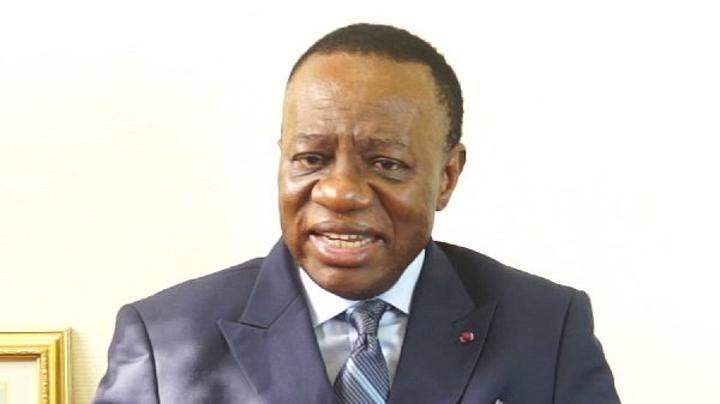
Cameroon's Minister of State for Higher Education, Jacques Fame Ndongo, has issued a new decree on July 3, 2026, modifying the framework for "capacity studies" established in 2017. The updated regulations expand the available fields of study to four: Law and Political Sciences, Economics and Management, Sciences and Techniques, and Arts, Letters, and Human Sciences. This ministerial order supersedes the previous framework set by an October 18, 2016 decree. The new rules also stipulate that opening a new program in a public institution requires prior program validation via a ministerial decree. State universities can offer these programs through private higher education institutions, provided a specific academic tutelage agreement is in place. This agreement must link the private institution to a geographically proximate state university that is authorized to offer training in the relevant field. Private institutions are also required to transfer tuition fees, as charged by public institutions, to the supervising state university. Admission into any capacity study program is competitive, requiring candidates to achieve an average score of 10/20 or higher in an entrance exam. This exam is open to public and private sector employees holding a BEPC, CAP, or GCE O'level with at least three subjects (excluding religion). Non-salaried candidates aged 21 or older are also eligible. All applicants must pass a text contraction test and a general knowledge test. Successful candidates will complete a four-semester program, with a passing grade of 10/20 per unit. Progression to the third semester requires earning 60 credits from the first two semesters. Upon completing the four semesters, students receive a diploma. Further progression to a professional bachelor's degree requires an average of 12/20, while admission to a classical bachelor's degree requires an average of 13/20 in capacity studies, along with specific secondary education qualifications.
This revision to Cameroon's capacity study regulations reflects an effort to standardize and potentially expand access to higher education, particularly for working professionals. By broadening the fields of study and clarifying the conditions for private institution involvement, the Ministry of Higher Education aims to create a more structured and regulated environment. The requirement for academic tutelage and fee transfer suggests a strategy to maintain quality control and ensure financial viability for public institutions while leveraging private sector capacity. Future considerations may involve evaluating the effectiveness of these new pathways in terms of graduate employability and the overall impact on the national higher education landscape, especially in the context of evolving digital learning technologies and the demand for specialized skills in the coming decade.
AI-generated to prompt reflection — not editorial opinion, not advice, not a statement of fact. How this works.