Cameroon's Interim Mines Minister Presents 2027 Budget Priorities to Parliament
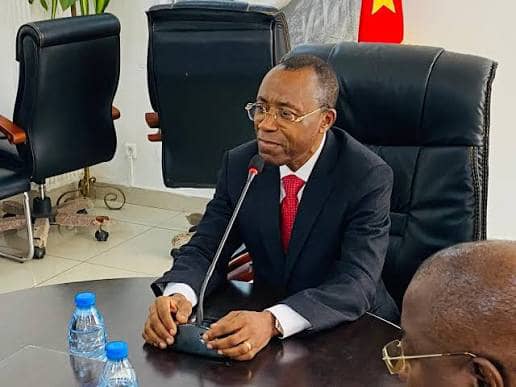
Cameroon's interim Minister of Mines, Professor Fuh Calistus Gentry, appeared before the National Assembly on Monday, July 6, to discuss the mining sector's priorities for the 2027 budget. This presentation occurred during a plenary session dedicated to the Budgetary Orientation Debate (DOB), a crucial step following the presentation of the Medium-Term Economic and Budgetary Programming Document (DPEBM) for 2027-2029 by the Minister of Finance on July 3. The DOB allows parliamentarians to scrutinize the state's economic and budgetary strategies for the next three years and to question government officials on their respective sectors' objectives. Professor Gentry addressed the deputies' concerns regarding the mining sector, detailing its progress, ongoing projects, and future prospects. The aim is to enhance the contribution of mineral resources to Cameroon's structural economic transformation, aligning with the National Development Strategy 2020-2030 (SND30). The DPEBM emphasizes mobilizing domestic resources, boosting public spending efficiency, and funding infrastructure, industrialization, and human capital development. The session was attended by the President of the National Assembly, Théodore Datouo, other government members, and numerous deputies.
The presentation of the 2027 budget priorities by Cameroon's interim Minister of Mines highlights the government's strategic focus on leveraging the mining sector for economic transformation. The emphasis on mobilizing internal resources and improving public spending efficiency, as outlined in the DPEBM and aligned with the SND30, indicates a move towards fiscal self-reliance and targeted development. However, the success of these plans will depend on robust governance, transparency in resource management, and effective implementation to ensure that mineral wealth translates into sustainable, broad-based economic growth and structural change over the next decade. The parliamentary debate provides a vital oversight mechanism, but its long-term impact hinges on sustained engagement and accountability.
AI-generated to prompt reflection — not editorial opinion, not advice, not a statement of fact. How this works.