Cameroon's International Craft Fair Opens in Yaoundé, Focusing on Innovation
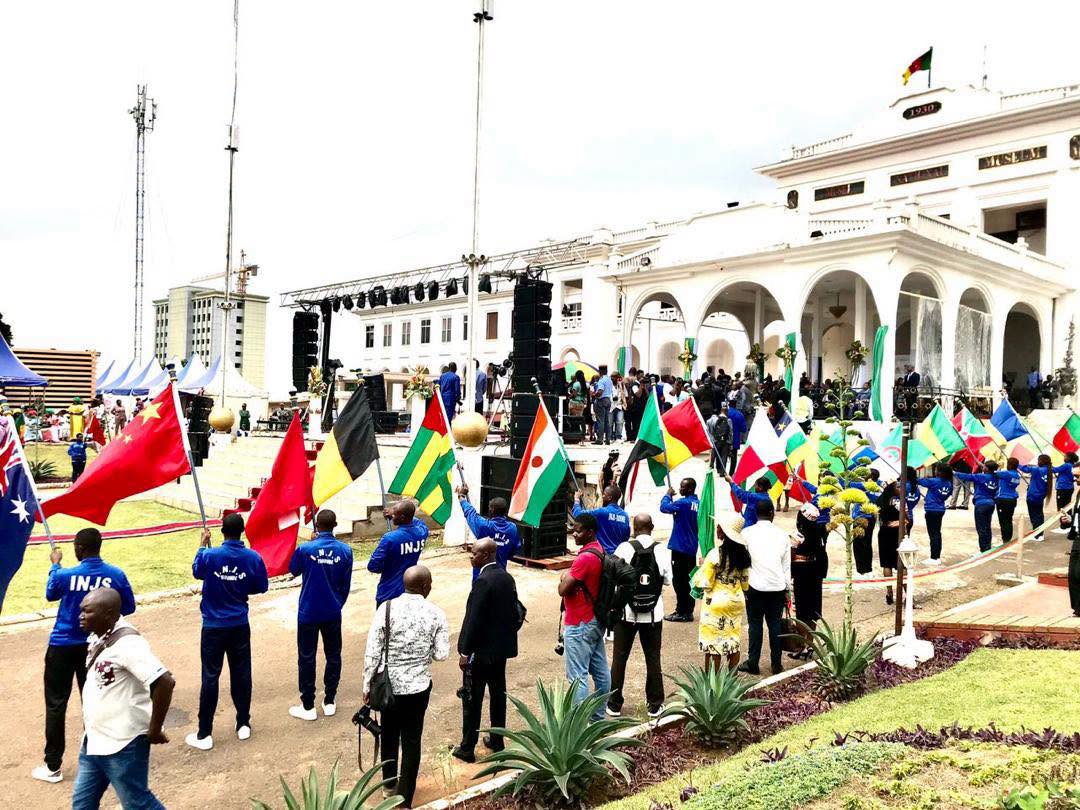
The ninth edition of the International Craft Fair of Cameroon (SIARC) commenced on July 27, 2026, at the National Museum in Yaoundé. This year's event, themed "Between Tradition and Modernity: How to Stimulate Craft Innovation?", aims to transform Cameroon's artisanal sector by emphasizing innovation. Over 600 artisans from Cameroon and other countries are showcasing their creations to thousands of visitors, including professionals, investors, financial institutions, researchers, and public and private representatives. Algeria and Côte d'Ivoire are the guest countries of honor for this edition. Running until August 5, 2026, the fair features exhibitions, conferences, and training workshops on topics such as digital marketing, intellectual property, standardization, certification, and access to financing. Additional activities include heritage days highlighting Cameroon's ten regions, a gastronomic area, cultural entertainment, and a formalization pavilion. New initiatives for this edition include the opening of a SIARC Souvenir Boutique for promoting labeled products and specialized training on product standardization and certification, as well as introductory craft workshops for youth and vulnerable individuals. Minister of SMEs, Social Economy, and Crafts, Achille Bassilekin III, stated that the artisanal sector is a dynamic part of Cameroon's economy, employing nearly 60% of the active population, contributing to wealth creation, socio-economic integration, and the preservation of cultural heritage. The fair's focus on modernization seeks to align Cameroonian crafts with international standards by integrating contemporary design, digital technologies, and new marketing tools, thereby preserving tradition while embracing innovation for the sector's future.
The SIARC fair highlights a strategic imperative for Cameroon's artisanal sector: balancing cultural heritage with modern market demands. By focusing on innovation, digital integration, and international standards, organizers aim to enhance the economic viability and global competitiveness of local crafts. This approach addresses the inherent tension between preserving traditional techniques and adapting to evolving consumer preferences and technological advancements. The emphasis on formalization and access to finance suggests a systemic effort to move artisans from informal economies towards more structured business models, potentially increasing their contribution to national GDP and formal employment. The challenge lies in ensuring that these modernization efforts do not inadvertently erode the unique cultural identity that forms the core value proposition of Cameroonian artisanal products, and that benefits are equitably distributed across the diverse artisan community.
AI-generated to prompt reflection — not editorial opinion, not advice, not a statement of fact. How this works.