Cameroon's Issa Tchiroma Bakary Files Lawsuits in Switzerland
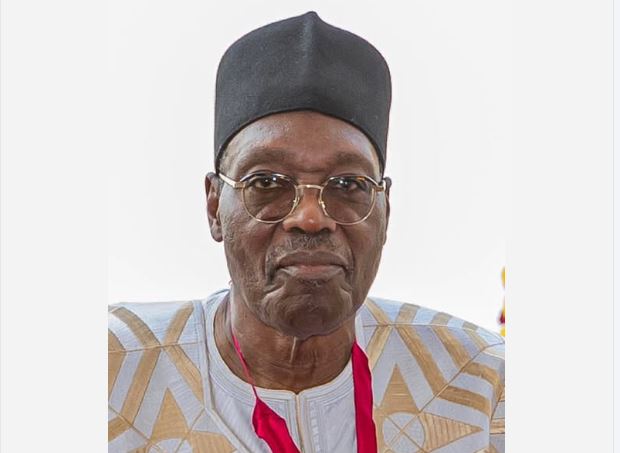
Former Cameroonian minister and presidential candidate Issa Tchiroma Bakary announced on July 11 that he has filed two lawsuits in Switzerland. This action follows a similar legal move in France and targets the Yaoundé regime. Bakary is utilizing the principle of universal jurisdiction to bring these cases before Swiss courts. The lawsuits aim to address alleged massacres and repressive acts committed against Cameroonians who demanded electoral transparency following the October 2025 presidential election. Bakary stated that these legal actions, including those in France and other countries, are intended to combat impunity and violence against Cameroonians in the aftermath of the October 12, 2025, election. He also claims that the Yaoundé regime continues to unjustly imprison thousands of Cameroonians in inhumane conditions, silencing dissenters like Jacques Bertrand Mang and Joseph Espoir Biyong. The complaints seek to prosecute and bring to justice perpetrators, accomplices, executors, and masterminds of these alleged acts, ensuring they are held accountable and victims receive full reparations. Bakary is filing these complaints in countries that have ratified international conventions against torture and enforced disappearances, such as the UN Convention Against Torture (1984) and the Convention Against Forced Disappearances (2006). While Bakary, supported by legal counsel, is exercising his right to pursue justice in competent jurisdictions, he reportedly has questions regarding the implementation of judicial procedures against the targeted individuals and entities.
The legal actions initiated by Issa Tchiroma Bakary in Switzerland and France, leveraging universal jurisdiction, represent an attempt to circumvent domestic legal avenues and hold alleged perpetrators accountable on an international stage. This strategy highlights the challenges of ensuring justice and combating impunity when national institutions are perceived as compromised or unwilling to act. The reliance on international conventions underscores a global effort to establish norms against severe human rights violations. However, the effectiveness of such extraterritorial litigation often hinges on complex jurisdictional hurdles, evidence gathering across borders, and the political will of the prosecuting states. Future legal frameworks may need to address these complexities to ensure accountability for grave offenses, particularly in contexts where domestic remedies are insufficient, fostering a more robust international legal order.
AI-generated to prompt reflection — not editorial opinion, not advice, not a statement of fact. How this works.