Cameroon's National Assembly Effectiveness Questioned
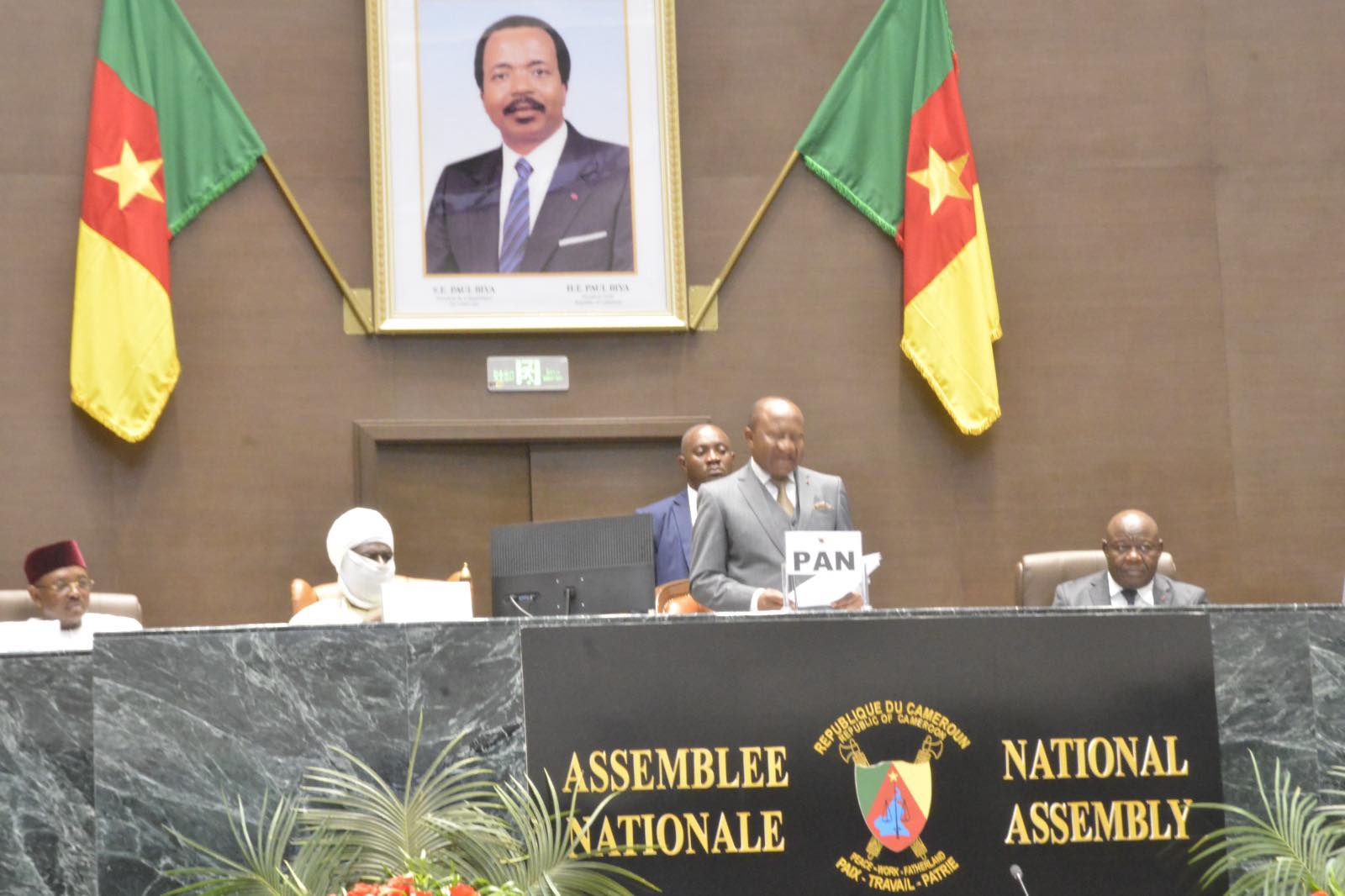
Guibai Gatama, director of the newspaper L'Œil du Sahel, has raised concerns about the effectiveness of Cameroon's National Assembly. He questions the purpose of a legislative body that seems disconnected from the nation's daily life, particularly given the limited time allocated to parliamentary sessions. Currently, Cameroon holds three 30-day sessions annually, with only about 15 days per session dedicated to lawmaking and government oversight, totaling just six weeks of parliamentary debate per year. Gatama argues this brief period is insufficient for deputies to fully address the country's challenges and consistently represent the populace's daily concerns. He advocates for extending session durations, citing examples from neighboring African countries like Chad (nearly a year), Côte d'Ivoire (eight and a half months), Senegal (around nine months), and Nigeria (almost year-round). The goal is to provide lawmakers more time to engage with national realities and strengthen public action oversight. Beyond session length, Gatama also points to the National Assembly's political composition as a hindrance to balanced debate. With a significant majority of deputies belonging to the ruling RDPC party, the assembly often aligns with executive policy, potentially stifling discussions on critical national issues. An example cited is the silence surrounding five proposed laws introduced by the SDF party during the March parliamentary session, illustrating how the ruling party's dominance may impede thorough deliberation on matters affecting the public.
The critique of Cameroon's parliamentary session length and composition highlights a common governance challenge: aligning legislative capacity with national needs. Extended session periods in comparable African nations suggest a potential trade-off between legislative efficiency and thorough public scrutiny. The dominance of the ruling party within the assembly raises questions about the structural incentives for robust debate and independent oversight, potentially leading to a concentration of policy-making power. Future considerations for Cameroonian governance might involve exploring mechanisms to foster more independent legislative action and ensure that parliamentary time is optimized to address the complex, evolving needs of the nation in the digital era.
AI-generated to prompt reflection — not editorial opinion, not advice, not a statement of fact. How this works.