Cameroon's President Paul Biya Silent After 50 Days Abroad, Sparking Public Concern
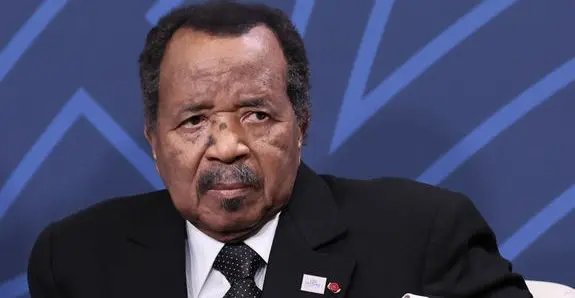
Cameroonian President Paul Biya has been out of the country for 50 consecutive days, a duration that has amplified public questions and concerns regarding his whereabouts and well-being. This extended absence, which began on June 7, 2026, marks the longest private stay abroad in his 44-year presidency. The silence from official circles, including the Presidency and the Ministry of Communication, contrasts with previous instances where the government provided updates during his travels. While the Secretary of the Central Committee of his party, the CPDM, has offered assurances, these have not fully quelled public unease. Minister of State Jacques Fame Ndongo stated that the president continues to work regardless of his location and that there is no legal limit to the duration of a head of state's absence. However, this explanation has not satisfied all citizens, particularly in light of reports from Jeune Afrique suggesting the trip is for health reasons. This period of uncertainty fuels public debate about the president's health, potential presidential vacancy, and the continuity of state operations. Political analyst Aristide Mono notes that President Biya holds a record for private stays abroad among African heads of state, having spent approximately 2,600 days overseas during his tenure, equating to about 15-16% of his time in power.
The prolonged and uncommunicated absence of President Paul Biya for 50 days raises significant questions about presidential succession planning and transparency in governance, particularly in a nation with a long-serving leader. This situation highlights a potential systemic risk where the continuity of state functions could be perceived as vulnerable due to extended leader absences without clear communication. The public's reliance on unofficial reports and speculation underscores the importance of robust communication protocols for heads of state, especially concerning health and travel. In the context of increasing global interconnectedness and the rise of AI, which necessitates agile and informed leadership, such opacity can create instability and erode public trust. Future governance models may need to incorporate clearer legal frameworks and communication strategies for leader absences to ensure national stability and public confidence.
AI-generated to prompt reflection — not editorial opinion, not advice, not a statement of fact. How this works.