Cameroon's SMEs Drive Local Processing Amid Industrial Growth
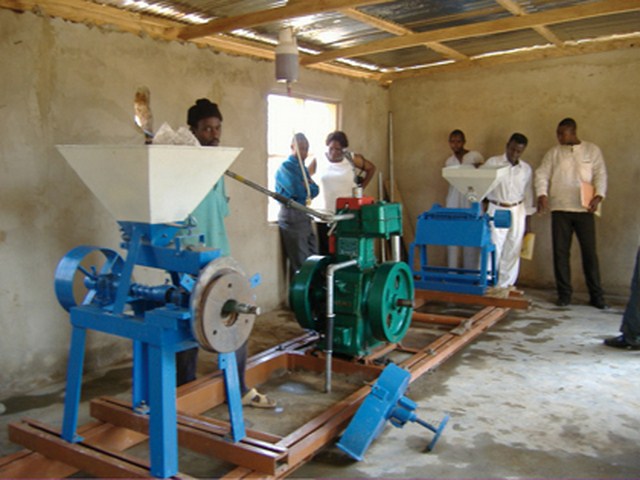
Cameroon's industrialization is accelerating, fueled by a rapidly expanding small and medium-sized enterprise (SME) sector. According to the 2025 Statistical Yearbook from the Ministry of SMEs, Social Economy, and Handicrafts (MINPMEESA), the nation now hosts 569,208 formal economic units, with SMEs constituting 99.9% of this total. The number of SMEs has surged from 287,316 in 2019 to 472,208 in 2025, marking a substantial increase in productive capacity. Notably, 20.8% of these SMEs are now operating within the secondary sector, crucial for value creation and industrial development. New businesses established this year are projected to create nearly 90,000 jobs. Investments are particularly focused on the wood, agro-industry, cotton-textile-leather-apparel, and local product processing sectors. This strategic shift aims to bolster national production and decrease reliance on imports. The government's ambition is to increase the manufacturing value-added's contribution to GDP from approximately 14% to 25% by 2030, an 80% rise. The social economy and handicraft sectors also play a vital role, with 23,714 social economy organizations and 72,508 artisanal production units registered, collectively supporting local processing, job creation, and export development.
Cameroon's strategy to bolster its industrial base through the growth and reorientation of SMEs towards local processing reflects a common development pathway aimed at increasing value-added and reducing import dependency. The significant increase in SME numbers and their shift towards the secondary sector, particularly in key industries like agro-processing and textiles, indicates a positive trend toward domestic industrial capacity building. This approach, if sustained and supported by appropriate policy frameworks and investment, could enhance economic resilience and export competitiveness. However, the success of this strategy will depend on factors such as access to finance for SMEs, infrastructure development, skills training, and the ability to compete in global markets, especially as the country aims to significantly increase its manufacturing value-added contribution to GDP by 2030. The focus on local transformation aligns with global trends toward more diversified and resilient supply chains, which may present both opportunities and challenges in the coming decade.
AI-generated to prompt reflection — not editorial opinion, not advice, not a statement of fact. How this works.