Cameroon's Southwest Region Boosts Mangrove Disaster Prevention Efforts
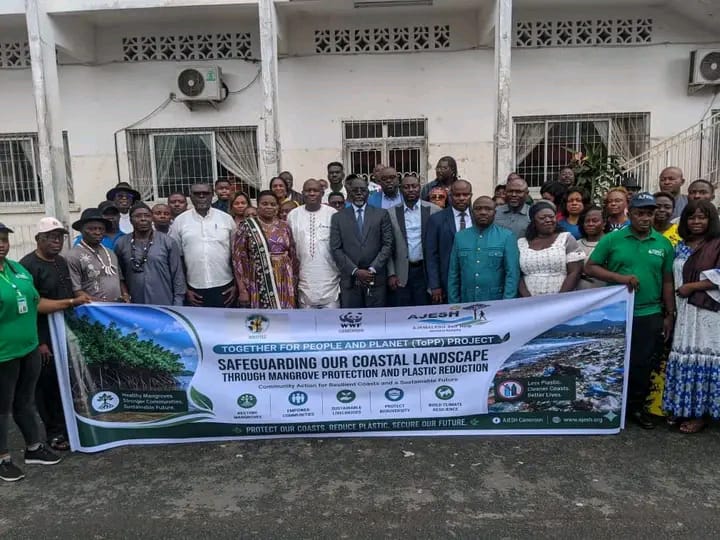
In response to escalating climate-related hazards, Cameroon's Ministry of Environment, in collaboration with the AJESH association, is strengthening disaster prevention measures in the Southwest Region. This initiative focuses on enhancing early warning systems and protecting the vital mangrove ecosystems in Limbe and Tiko. Key institutional and community stakeholders convened on July 20-21 in Limbe I to discuss strategies for natural disaster prevention and mangrove conservation. Professor Bring, Director of Natural Resource Conservation and Management, represented the Minister of Environment at the meetings, highlighting the strategy to improve population resilience against climate change impacts. Participants included mayors from Limbe I, II, III, and Tiko, along with representatives from various administrations, the National Climate Change Observatory (ONACC), the private sector, traditional authorities, and AJESH. Discussions centered on coordination mechanisms and responses to increasing risks of flooding and coastal erosion. The meetings clarified the roles of different actors, identified gaps in current systems, and proposed recommendations for improving early warning systems. A commitment was made to intensify efforts against rigid plastic waste, which degrades mangroves, and to prioritize ecosystem-based solutions. The mangroves of Limbe and Tiko are crucial natural barriers that protect the coastline, preserve biodiversity, store carbon, and support local fishing communities. This project is part of the "Together for People and Planet" (ToPP) program, funded by the Swedish International Development Cooperation Agency (Sida) through the WWF, supporting the AJESH association.
This initiative addresses the critical need to bolster coastal defenses against climate change impacts, particularly in vulnerable mangrove ecosystems. By involving local governments, national agencies, and community groups, the project aims to create more robust early warning systems and protective measures. The focus on ecosystem-based solutions and combating plastic pollution reflects a growing understanding of nature-based approaches to climate adaptation. However, the long-term success will depend on sustained funding, effective inter-agency coordination, and the integration of these efforts into broader national climate resilience strategies. Future challenges may include scaling these localized successes and ensuring equitable distribution of benefits to the communities most dependent on these ecosystems.
AI-generated to prompt reflection — not editorial opinion, not advice, not a statement of fact. How this works.