Cameroon's West Region Plans Massive Rally to Thank President Biya for Datouo's Assembly Presidency
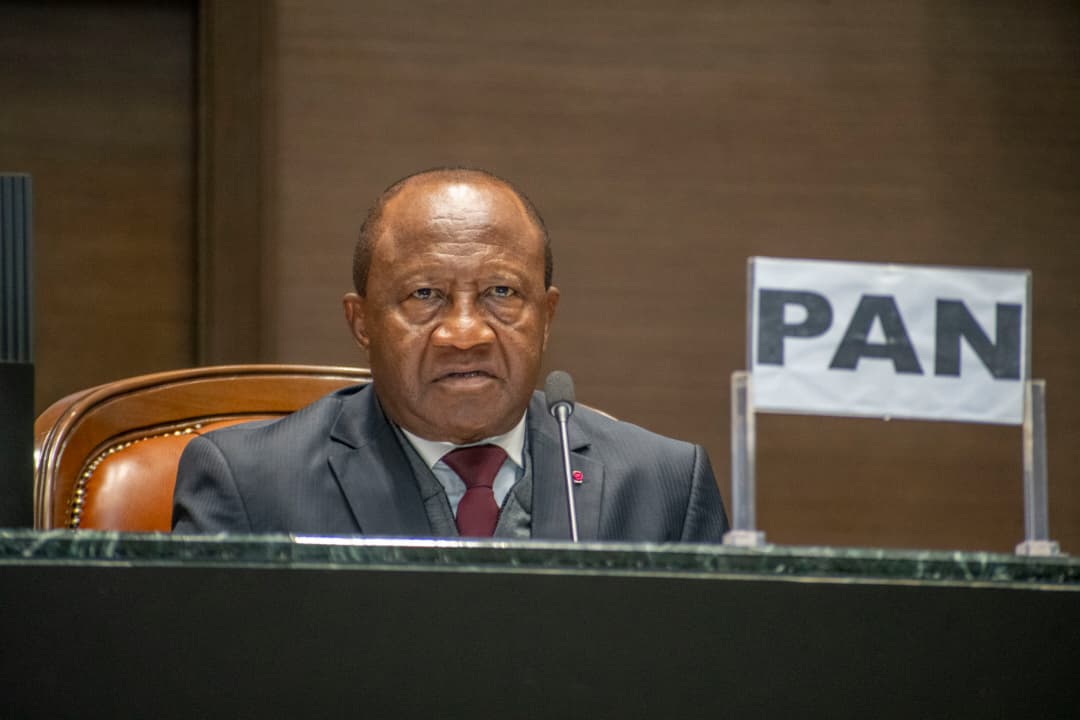
Political elites and community leaders from Cameroon's West Region are organizing a large-scale rally scheduled for Saturday, July 25th, at the Toket Omnisports Stadium. The event aims to express gratitude to President Paul Biya following the election of Théodore Datouo as the new President of the National Assembly on March 17, 2026. Datouo, a deputy from the region, was chosen by the ruling Cameroon People's Democratic Movement (RDPC) to succeed the late Cavaye Yeguie Djibril. Over 110 million FCFA has been collected by regional elites, predominantly from the ruling party, to fund the gathering, which anticipates hundreds of thousands of attendees. The mobilization effort spans all levels of the RDPC, from local committees to regional delegations. This rally is intended to showcase the region's unwavering support for President Biya and his party, the RDPC, which has historically maintained a strong presence in the area despite opposition growth. The event reflects a common practice in Cameroon where large public meetings are held to thank the head of state after significant appointments, serving as a demonstration of community integration and political loyalty. While these gatherings are often framed as expressions of joy and support, the substantial funds raised could potentially be allocated to local development projects.
This event highlights a well-established political practice in Cameroon, where public displays of gratitude, often involving large rallies and significant financial contributions, are organized following key appointments. Such gatherings serve multiple purposes: reinforcing loyalty to the ruling party and its leader, demonstrating regional support, and potentially mobilizing the electorate. The substantial funds collected, exceeding 110 million FCFA, raise questions about resource allocation – whether these funds primarily serve political mobilization or could be directed towards tangible community development. From a governance perspective, understanding the incentives behind these large-scale events is crucial. They appear to be a mechanism for maintaining political capital and reinforcing the party's influence, particularly in regions where opposition presence is noted. Looking ahead, the sustainability and impact of such practices on democratic engagement and equitable development warrant consideration, especially in an era where transparency and effective resource utilization are increasingly scrutinized.
AI-generated to prompt reflection — not editorial opinion, not advice, not a statement of fact. How this works.