Cameroon: SDF Criticizes Governance, Delayed Elections, and Anglophone Crisis
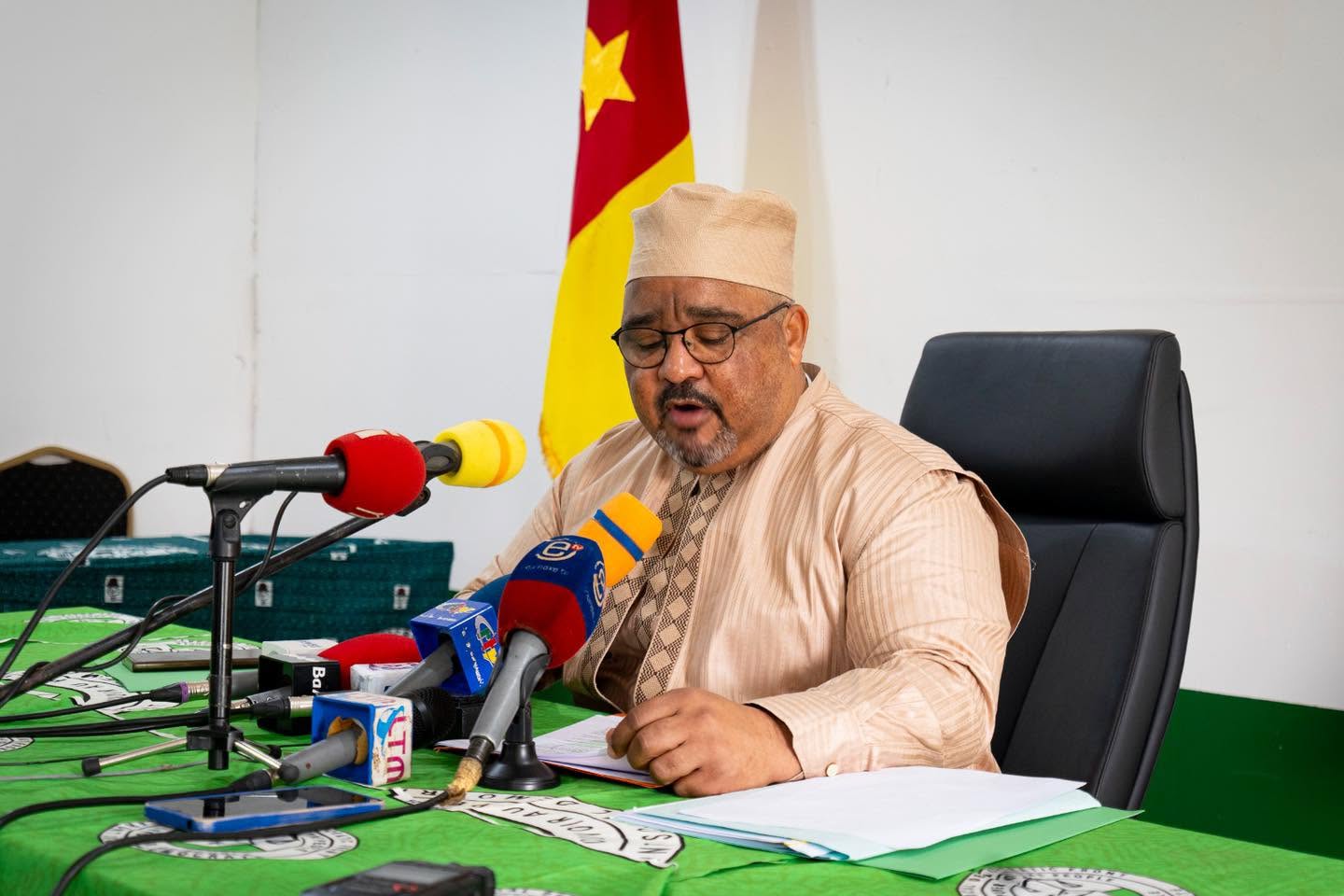
Joshua Osih, national president of the Social Democratic Front (SDF), voiced strong criticism of Cameroon's governance during a press conference in Yaoundé on July 23, 2026. He highlighted concerns regarding the country's leadership, the repeated postponement of elections, and the ongoing security crisis in the North-West and South-West regions. Osih denounced what he described as "remote governance" and a lack of transparency in resource management, noting the president's prolonged absence from the country and the vacant vice-presidency. He characterized Cameroon as a republic on "autopilot," attributing many citizens' hardships to these governance failures, including ineffectual responses to social issues and opaque handling of oil, fiscal, and mining revenues. The SDF is demanding accurate figures for state revenues, asserting that better governance could resolve many of the nation's problems.
The SDF also protested perceived attacks on democracy, citing the appointed, rather than elected, vice-presidency. The party's proposal for a popularly elected vice-president, with representation from both former French and British Cameroons, was rejected in favor of presidential appointment. Furthermore, five legislative proposals from the SDF were not accepted by the National Assembly's conference of presidents. The party strongly opposes further delays to the legislative and municipal elections scheduled for 2027, warning that any new postponement would be considered an unconstitutional seizure of the people's mandate.
Osih expressed deep concern over the persistent Anglophone crisis, now in its tenth year, which has resulted in approximately 6,000 deaths, 648,000 internally displaced persons (with cumulative displacement nearing 900,000), and 80,000 refugees in Nigeria. The crisis has also deprived 600,000 children of education and led to 2,000 individuals being imprisoned. An estimated 2 million people require humanitarian assistance. The South-West region has suffered significant economic decline, losing its cocoa and industrial leadership, with falling exports and investments. The SDF has put forward proposals for resolving the crisis ahead of the 2025 presidential election.
The SDF's critique points to systemic issues in Cameroon's political and economic management, particularly concerning electoral integrity and crisis resolution. The repeated postponement of elections and the method of appointing key governmental positions suggest a potential strategy to consolidate power and avoid electoral accountability, which can undermine democratic legitimacy and public trust. The protracted Anglophone crisis, with its severe humanitarian and economic consequences, highlights the challenges of addressing deep-seated regional grievances and the potential for prolonged instability to impact national development. The SDF's call for transparency in resource management and accurate financial reporting is crucial for ensuring equitable distribution of wealth and fostering economic growth. Moving forward, establishing clear electoral timelines, strengthening democratic institutions, and implementing inclusive strategies for conflict resolution will be vital for Cameroon's long-term stability and prosperity.
AI-generated to prompt reflection — not editorial opinion, not advice, not a statement of fact. How this works.