Cameroon to Host 51st Francophone Parliamentary Assembly Session in Yaoundé
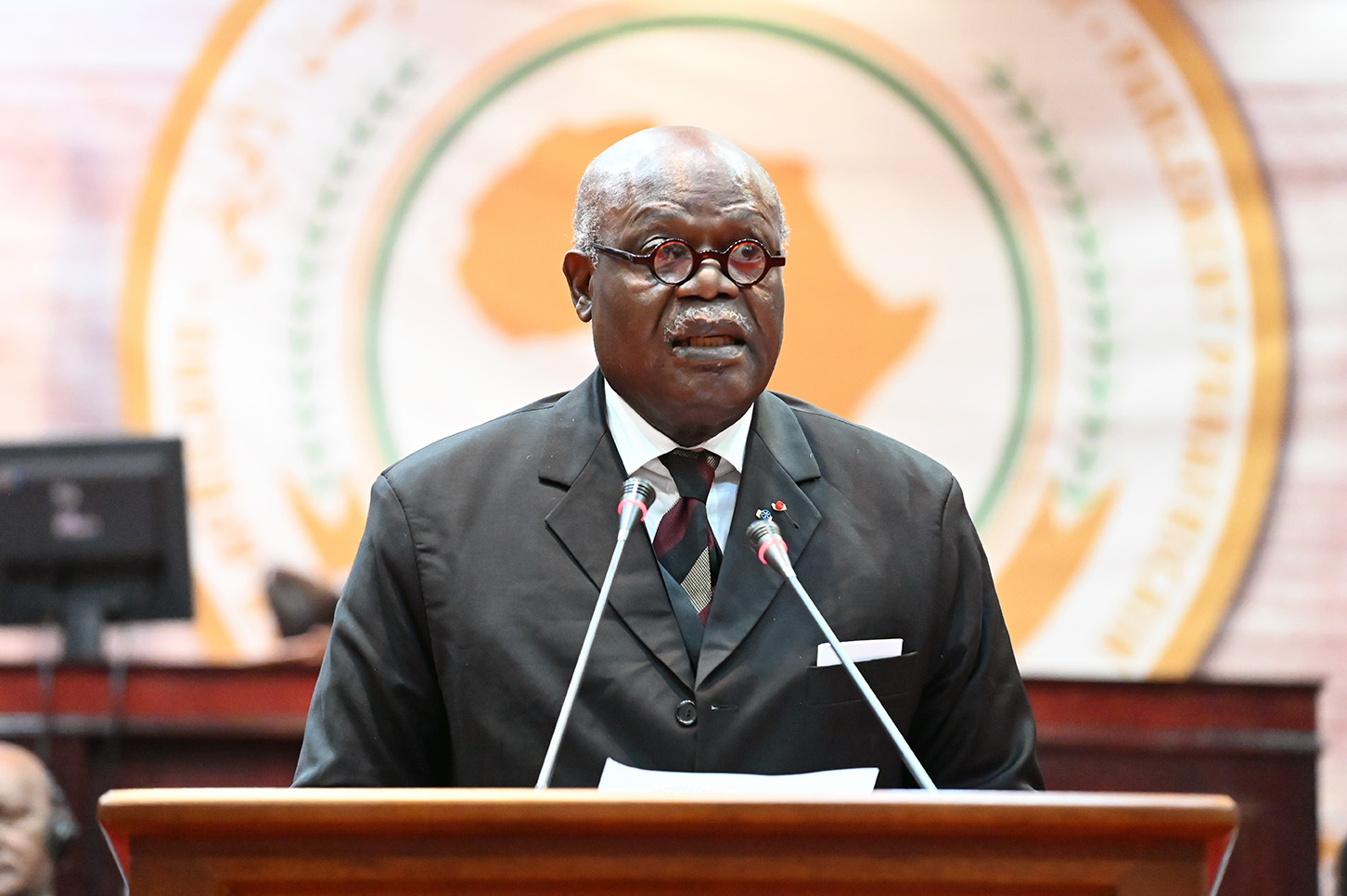
Cameroon is preparing to host the 51st session of the Parliamentary Assembly of La Francophonie (APF) in Yaoundé, with nearly 400 participants expected. The organizing committee, led by Deputy Hilarion Etong, has outlined the event's key aspects. Over 300 delegates, including approximately ten parliamentary chamber presidents and 80 youth representatives, are anticipated from the APF's four regions: Africa, the Americas, Asia-Pacific, and Europe. Notable attendees will include Amelia Lakrafi, APF's General Delegate, and Louise Mushikiwabo, Secretary General of the Organisation Internationale de la Francophonie. As of now, 275 registrations have been confirmed. The organizing committee, established in January 2026, comprises members from both the Senate and National Assembly of Cameroon, with 17 sub-committees managing various organizational aspects. Eight hotels have been secured to accommodate attendees. The session's discussions will focus on two main themes: "Multilateralism and State Sovereignty," exploring issues like rising protectionism, and collective action against terrorism, migration, and democratic instability within the Francophone space. The second theme, "Francophone Parliaments Facing Climate Change in a Changing World Seeking Development," aims to empower parliamentarians to translate climate agreements into national legislation. The schedule includes APF bureau meetings on July 7, 2026, followed by network meetings for youth and women parliamentarians on July 8. An excursion to Nachtigal is also planned for the APF bureau on July 8. The four permanent APF commissions will convene on July 9, preceding the official session opening on July 10. The proceedings are set to conclude on Saturday, July 11, 2026.
This upcoming session of the Francophone Parliamentary Assembly in Yaoundé highlights the ongoing efforts to foster dialogue and cooperation among member states on critical global issues. The chosen themes of multilateralism, state sovereignty, and climate change action reflect the complex geopolitical and environmental challenges facing nations today. The focus on translating climate agreements into national laws underscores a pragmatic approach to governance, aiming to bridge the gap between international commitments and domestic policy implementation. By bringing together parliamentarians and youth representatives, the APF seeks to promote intergenerational dialogue and ensure diverse perspectives inform policy discussions. The organization's structure, with specialized committees and regional representation, aims to facilitate coordinated responses to shared concerns, though the effectiveness of such multilateral bodies often depends on the political will and resource commitment of individual member states.
AI-generated to prompt reflection — not editorial opinion, not advice, not a statement of fact. How this works.