Cameroon: Two Illegal Alcohol Factories Raided in Bandjoun
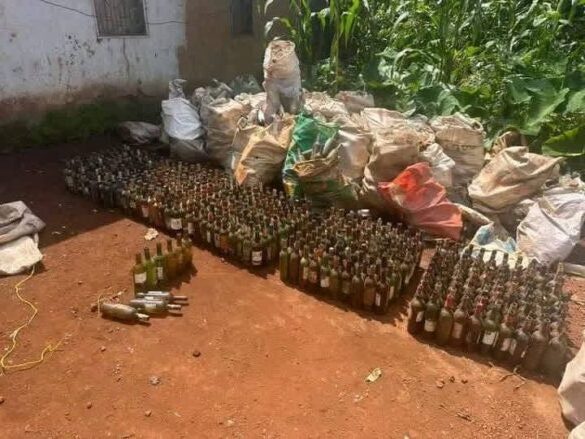
Cameroonian customs officials, with the support of local administrative authorities, have dismantled two clandestine factories producing counterfeit alcoholic beverages in Bandjoun, Koung-Khi department. These illegal operations were discovered in private residences and were manufacturing wine and whisky of dubious quality, posing significant health risks to consumers. The operation was initiated following intelligence gathering that led to the precise location of the production sites. Authorities found makeshift laboratories equipped with mixing vats and large stocks of bottles, some bearing fake state labels and others unbranded. The counterfeit products were intended for distribution in local and potentially international markets, undermining legitimate businesses in the beverage sector. Alarmingly, bottles collected from waste sites were being reused after a superficial wash, lacking essential sterilization or disinfection processes, while the factories themselves operated in unsanitary conditions. In response to these severe health and economic threats, customs and administrative authorities have shut down both operations. The individuals responsible for these clandestine factories were not present during the raid but were informed of the closure by employees found on site. This incident highlights ongoing concerns about consumer safety for food and beverages in Cameroon, as counterfeiters employ sophisticated methods to deceive unsuspecting buyers. While customs and law enforcement conduct raids, consumers are urged to exercise increased vigilance.
This operation by Cameroonian customs addresses the critical issue of counterfeit beverages, which poses direct public health risks and undermines the formal economy. The clandestine nature of these factories, operating within residential areas and utilizing unsanitary practices like reusing unsterilized bottles, underscores systemic weaknesses in regulatory oversight and enforcement. The involvement of fake state labels suggests a deliberate attempt to exploit consumer trust and evade detection, indicating organized criminal activity rather than isolated incidents. Moving forward, a multi-pronged approach is necessary, combining robust supply chain monitoring and consumer education with stricter penalties for counterfeit producers. Addressing the root causes, such as economic pressures that may drive individuals to such activities, will also be crucial for long-term prevention and ensuring consumer safety in the digital age.
AI-generated to prompt reflection — not editorial opinion, not advice, not a statement of fact. How this works.