Cameroon, UNHCR, CAR Sign Accord to Resume Voluntary Repatriation of Central African Refugees
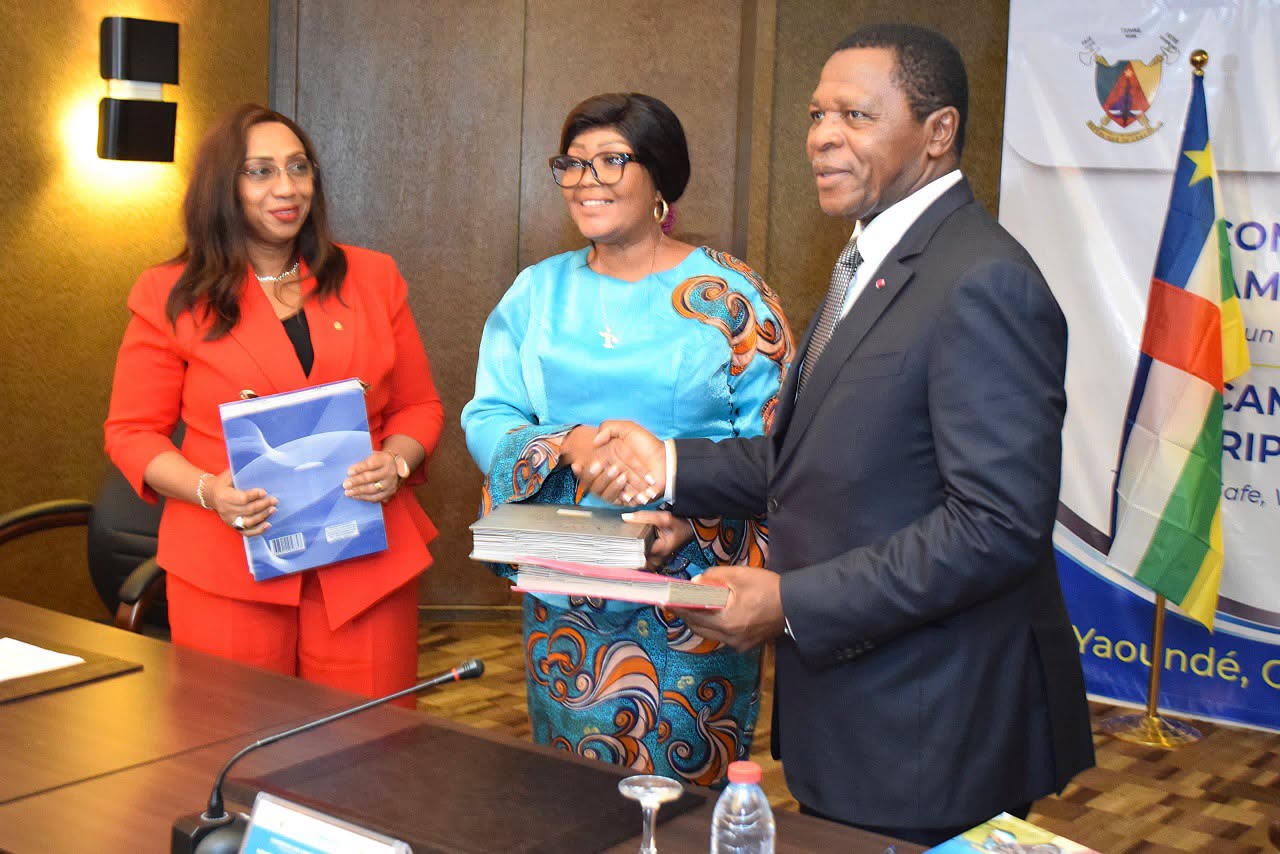
Cameroon, the Central African Republic (CAR), and the United Nations High Commissioner for Refugees (UNHCR) have finalized operational modalities for the voluntary repatriation of Central African refugees residing in Cameroon. A technical document outlining the practical steps and a timeline for these repatriations was adopted on July 14, 2026, during a tripartite commission meeting. The meeting was chaired by Cameroon's Minister of Territorial Administration, Paul Atanga Nji, and included CAR's Minister of Humanitarian Action, Josiane Lina Bemaka-Soui, and UNHCR representatives Saoudatou Bah-Mansare (Cameroon) and William Chemaly (CAR). The commission affirmed that the resumption of voluntary returns is certain, with UNHCR reiterating its commitment to providing technical and operational support while respecting national sovereignty. CAR's Minister Bemaka-Soui expressed gratitude to Cameroon for its hospitality since the 2013 post-election crisis and noted that current health crises, including cholera, and security issues in CAR must be considered in the repatriation process. As of June 30, 2026, Cameroon hosts 412,521 refugees and 21,223 asylum seekers, including approximately 283,000 Central Africans. Since the initial tripartite agreement in June 2019, 28,067 Central African refugees have been repatriated. The commission emphasized that all repatriations will be voluntary, safe, dignified, and sustainable.
This agreement addresses the ongoing humanitarian challenge of refugee repatriation, aiming for a structured and voluntary return process. The inclusion of UNHCR signifies a commitment to international standards for refugee protection and assistance. However, the acknowledgement of current health and security concerns within CAR presents a critical variable. Future repatriation efforts will need robust risk assessment and contingency planning to ensure the safety and sustainability of returns, balancing the refugees' right to return with the realities on the ground. The long-term success will depend on CAR's internal stability and its capacity to reintegrate returnees, a process that may extend well beyond the immediate repatriation phase and require sustained international support.
AI-generated to prompt reflection — not editorial opinion, not advice, not a statement of fact. How this works.