Cameroonian Political Parties Mobilize for Upcoming Elections
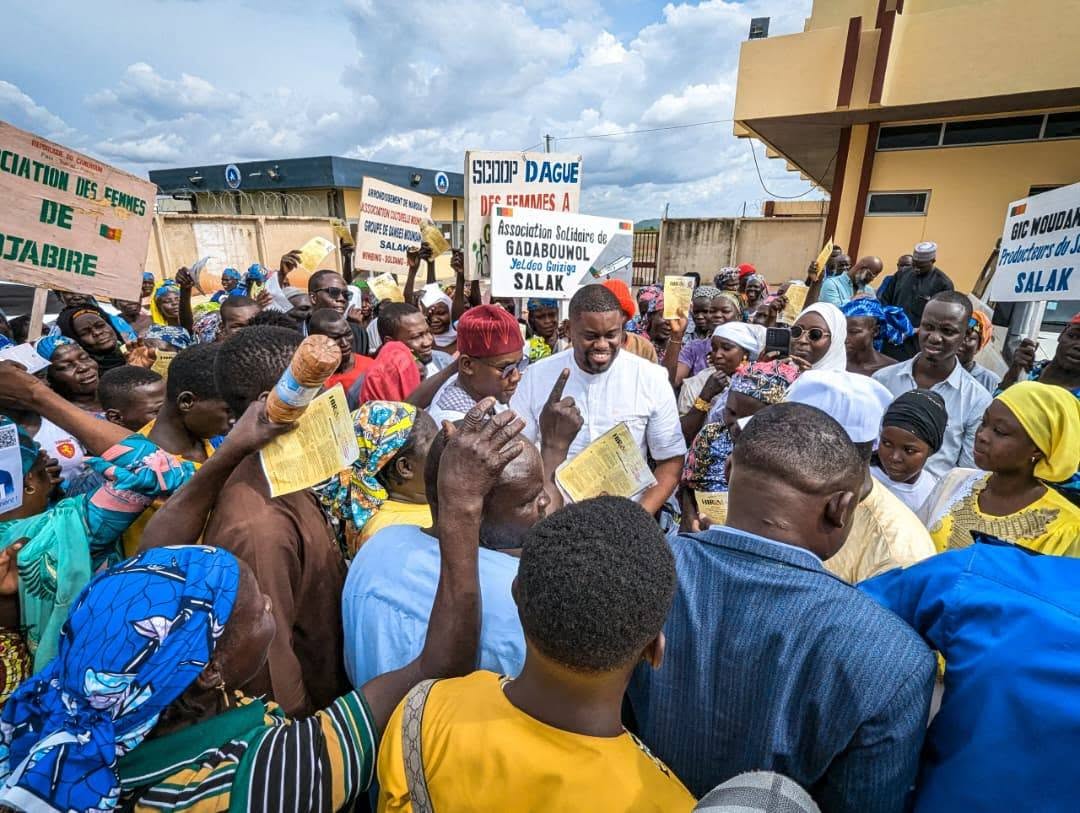
As legislative and municipal elections approach in Cameroon, various political parties are actively engaging with the populace to strengthen their local presence and prepare for the upcoming electoral contests. Parties such as the Mouvement patriotique pour la prospérité du peuple (MP3), the Mouvement pour la renaissance du Cameroun (MRC), the Parti Camerounais pour la réconciliation nationale (PCRN), the Rassemblement démocratique du peuple camerounais (RDPC), and the Front pour le changement du Cameroun are intensifying their grassroots activities across the country.
The MP3, led by its national president and former presidential candidate Samuel Hiram Iyodi, is establishing local branches to reinforce its territorial base and connect with voters. The MRC is holding general assemblies for its statutory structures in various constituencies, with recent meetings in Moungo and Wouri reportedly drawing significant crowds, suggesting growing popularity. PCRN's national president, Cabral Libii, is embarking on a tour of the Sanaga-Maritime department, starting with Ngambè on August 1, 2026, to gauge public sentiment and prepare for the elections. The Front des démocrates camerounais, under President Denis Emilien Atangana, is urging citizens to register to vote before the August 31 deadline and emphasizing the formation of inclusive candidate lists. The ruling RDPC, following a July 22 conclave, is mobilizing its regional and local officials to maintain its electoral majorities from previous contests. Opposition parties, in particular, are also exploring potential alliances to enhance their prospects in the upcoming elections.
The intensified activities of Cameroonian political parties ahead of elections highlight a common electoral strategy: reinforcing territorial anchorage and engaging directly with constituents. This approach aims to translate national political platforms into local relevance, particularly crucial in diverse and geographically dispersed nations. The focus on grassroots mobilization, establishing local organs, and listening to populations suggests an awareness of the importance of local dynamics in electoral outcomes. The exploration of alliances by opposition parties indicates a strategic response to potentially fragmented political landscapes and a desire to consolidate influence. As Cameroon navigates its electoral cycle, the effectiveness of these ground-level efforts in shaping voter perception and turnout will be a key determinant of future political representation.
AI-generated to prompt reflection — not editorial opinion, not advice, not a statement of fact. How this works.