Camila Pitanga to Star in Clara Nunes Biopic, Facing Narrative Challenges
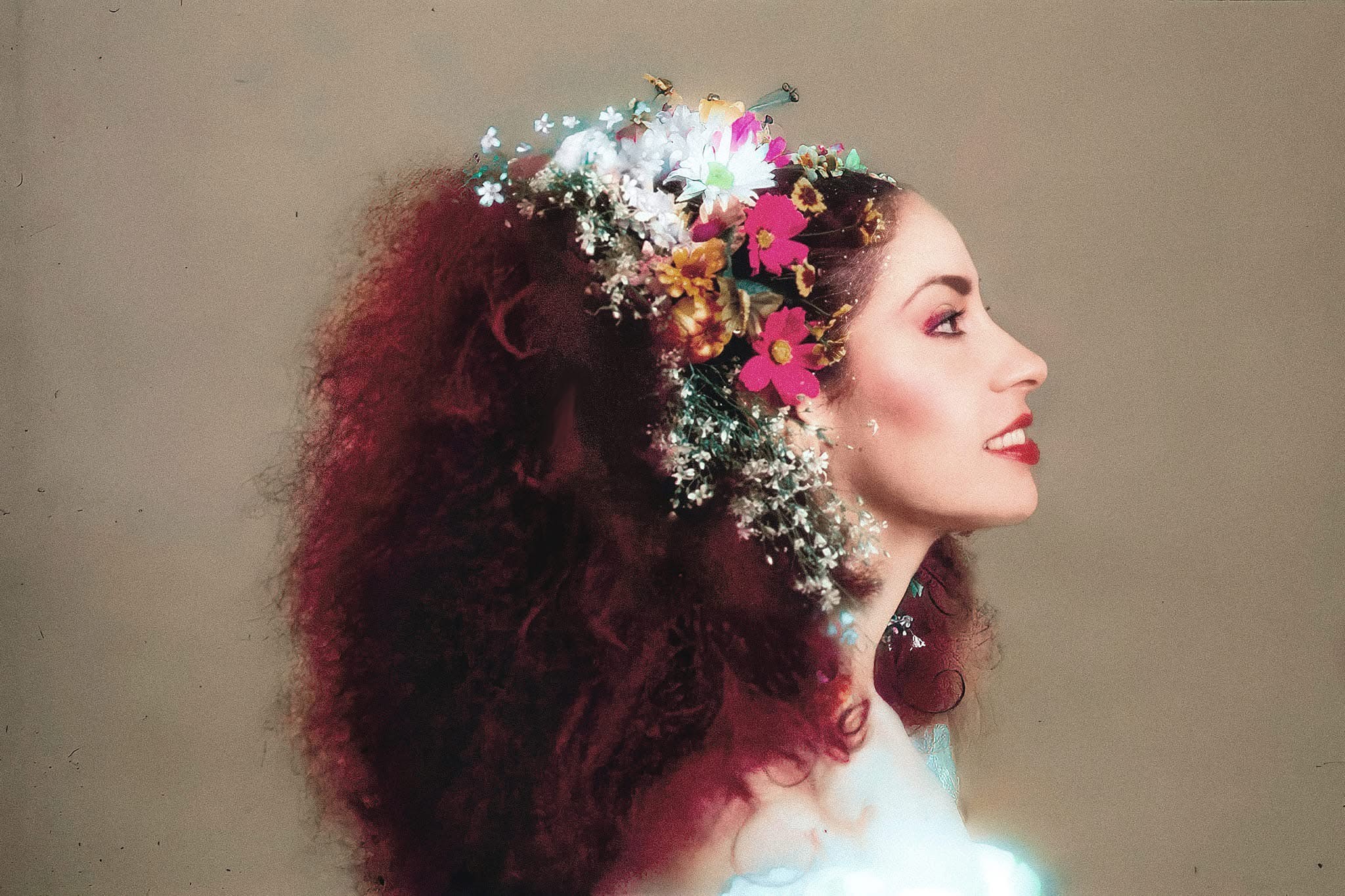
A biographical film titled 'Clara,' focusing on the life of the renowned Brazilian singer Clara Nunes (August 12, 1942 – April 2, 1983), is in production by Matizar Filmes. Actress Camila Pitanga is set to portray Nunes, whose luminous voice captivated Brazil throughout the 1970s with hit albums like 'Alvorecer' and 'Canto das três raças.' The film's screenplay is penned by Flavia Vieira and Janaína Tokitaka. A significant narrative challenge for the biopic is how to address, or if to ignore, a family tragedy that deeply affected Nunes's life. This event involved the murder of 17-year-old Adilson Alvarez da Costa on September 3, 1957, committed by Nunes's brother, José Pereira Gonçalves (Zé Chilau), reportedly in defense of Clara's honor. The crime forced Nunes and her family to relocate from their hometown in Minas Gerais to Belo Horizonte to escape local repercussions. This tragic incident was only publicly revealed in 2007 through Vagner Fernandes's biography, 'Clara Nunes – Guerreira da utopia.' Despite living with the consequences of this event, the film is expected to primarily concentrate on Nunes's professional journey. Her career gained momentum in the late 1960s, leading to her artistic identity centered on samba from 1971 onwards. This musical direction was influenced by radio host Adelzon Alves, who shaped her stylized Afro-Brazilian image through the production of four albums between 1971 and 1974 that solidified her status as a samba artist. The film 'Clara' is a collaborative project between Matizar Filmes, Camila Pitanga's production company Paraguassu, and H2O Produções.
The production of a biopic on Clara Nunes presents a compelling opportunity to explore the intersection of artistic achievement and personal adversity. The central narrative question—how to represent a foundational tragedy that influenced the artist's life—highlights the inherent tension in biographical storytelling between public persona and private trauma. Future biopics may benefit from developing more nuanced frameworks for depicting such complex events, potentially integrating historical context and psychological impact without sensationalizing or overshadowing the subject's primary contributions. Considering the evolving landscape of storytelling and audience expectations in the digital age, films that adeptly balance historical accuracy with emotional resonance are likely to achieve greater critical and commercial success, fostering deeper public understanding of influential figures.
AI-generated to prompt reflection — not editorial opinion, not advice, not a statement of fact. How this works.