Campina Grande Launches Refis 2026 to Renegotiate Municipal Debts
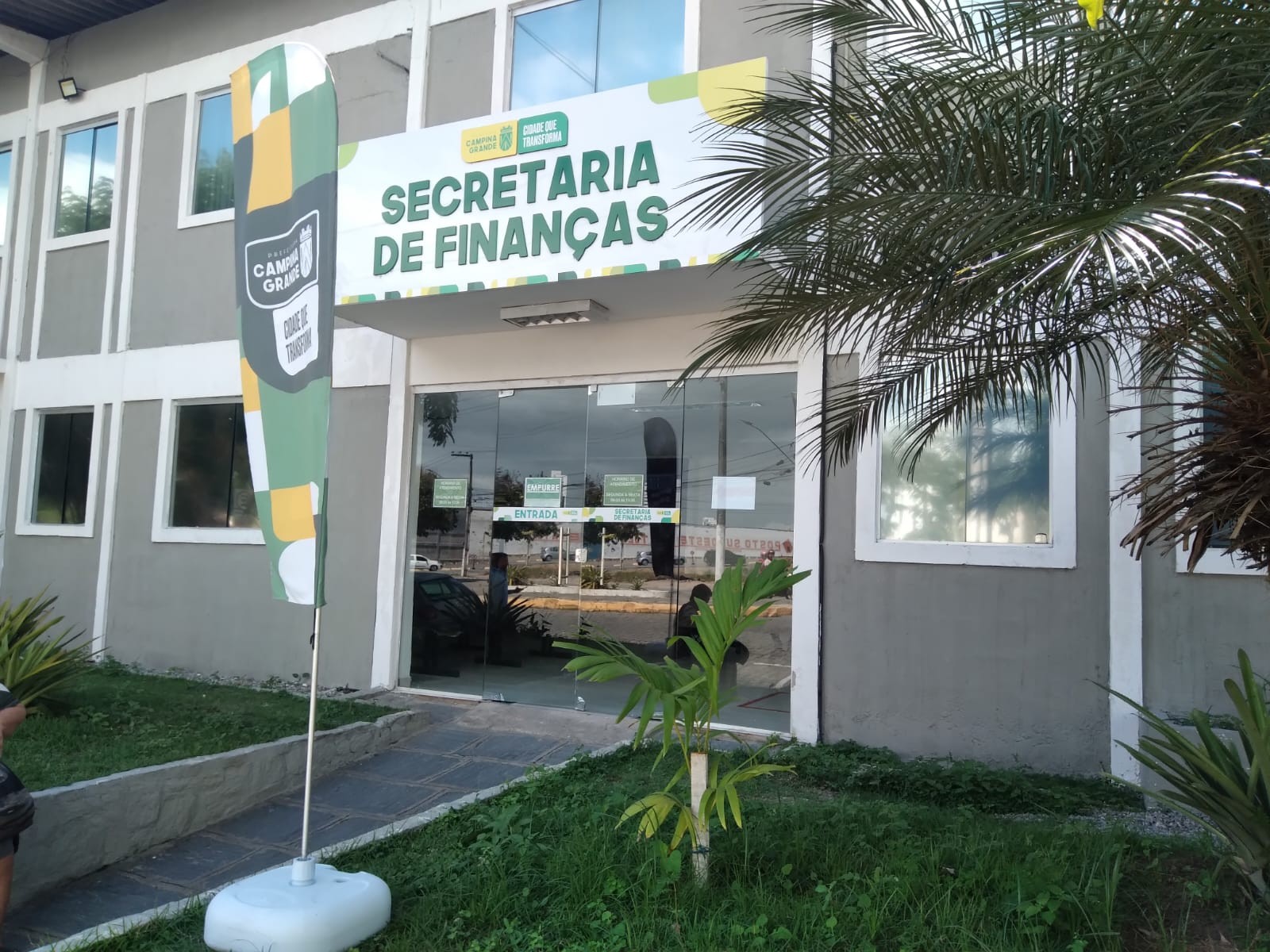
The Municipal Government of Campina Grande, in Paraíba, Brazil, has launched the Fiscal Recovery Program, known as Refis 2026, allowing taxpayers to renegotiate outstanding debts owed to the municipality. This initiative provides special conditions for settling obligations such as IPTU (property tax) and Procon (consumer protection) related debts. The program offers significant discounts on interest and fines, with potential reductions reaching up to 100% and payment terms extending up to 60 months. The deadline for taxpayers to enroll in Refis 2026 is December 26th of this year. Specifically, taxpayers can receive an 80% discount on interest and fines for installments up to 12 months, and a 40% discount for payments spread over up to 60 months. A 100% waiver on interest for late fees is available for those who choose to pay in full or opt for installment plans of up to five months for the Imposto Sobre Serviços de Qualquer Natureza (ISSQN). To join Refis 2026, individuals must register via the 1Doc platform on the city's official website, submitting basic documentation like personal identification and proof of residence. Those opting for immediate full payment can obtain their payment slips in person at the Sefin (Municipal Finance Secretariat) counter. The program covers debts established up to December 31, 2025, and ISSQN debts with taxable events occurring up to June 30, 2026, including those already registered or pending in active debt collection, whether administrative or judicial.
The Refis 2026 program represents a municipal strategy to improve fiscal health by incentivizing the settlement of outstanding tax and fee obligations. By offering substantial discounts on penalties and extending payment terms, the initiative aims to recover funds that might otherwise remain uncollected, thereby bolstering public revenue for essential services. This approach reflects a common fiscal management tactic to address liquidity challenges and reduce the burden of non-performing debts on the municipal balance sheet. The program's structure, balancing immediate cash flow generation through lump-sum payments with longer-term recovery via installments, attempts to accommodate diverse taxpayer financial capacities. Future fiscal planning could explore more proactive, continuous debt management systems to mitigate the need for such large-scale, time-limited recovery programs.
AI-generated to prompt reflection — not editorial opinion, not advice, not a statement of fact. How this works.