Campina Grande Officially Recognized as Home of World's Largest São João Festival
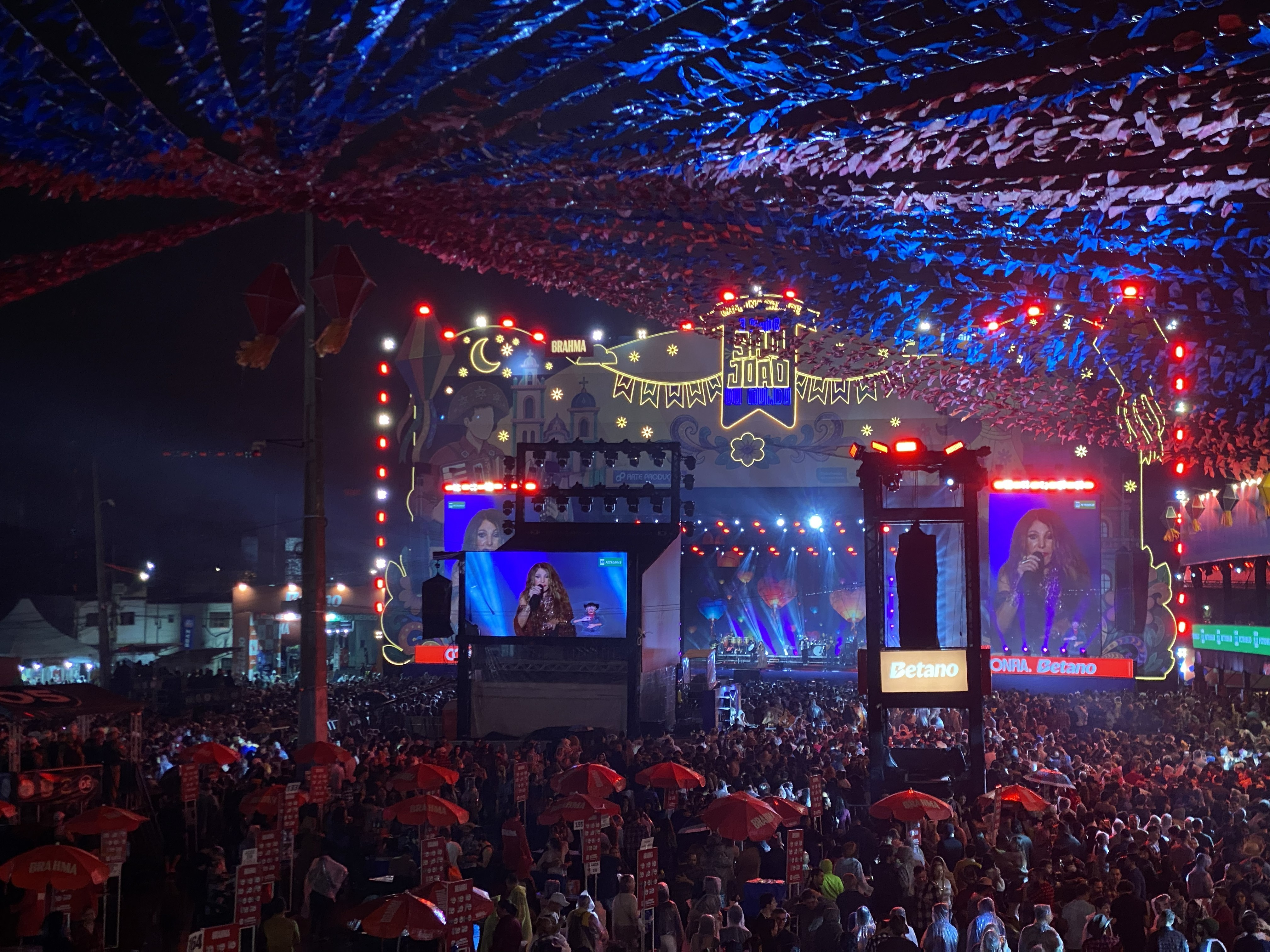
A new state law has officially designated Campina Grande, Paraíba, as the city hosting the 'Maior São João do Mundo' (World's Largest São João Festival). This honorary, cultural, and symbolic recognition, published in the State Official Gazette on Tuesday, June 14th, acknowledges the city's significant historical, cultural, tourist, and economic contributions to the June festivities and the broader culture of Paraíba. The law, authored by state deputies Tovar Correia Lima and Camila Toscano, does not alter the festival's organization but formalizes Campina Grande's status as a key reference point for these traditional celebrations within the state.
The legislation specifically highlights the city's role in preserving Northeastern traditions and promoting popular culture, encompassing music, dance, cuisine, crafts, and religious expressions associated with the São João season. It also empowers the Paraíba state government to undertake promotional and strengthening initiatives for Campina Grande's identity as the festival's host, contingent on available resources and legal compliance. The law took effect immediately upon its publication.
This official designation follows the recent conclusion of the 43rd edition of the festival, which ran from June 3rd to July 5th, 2026, featuring 33 days of programming that attracted an estimated 3.4 million attendees. Campina Grande has long engaged in a friendly rivalry with Caruaru, Pernambuco, for the title of Brazil's largest São João celebration. In 2022, Campina Grande's event was recognized by the Instituto Ranking Brasil as the nation's biggest, solidifying its national reputation.
This legislative act formalizes Campina Grande's long-standing claim to hosting the 'World's Largest São João Festival,' acknowledging its cultural and economic significance. While the law is largely symbolic and honorific, it provides a framework for state-level support in promoting the event, potentially enhancing tourism and cultural preservation. The recognition also situates Campina Grande within the broader context of regional cultural rivalries, such as its competition with Caruaru, suggesting that such designations can serve as powerful branding tools in the cultural tourism sector. Looking ahead, the sustained success of such festivals will likely depend on their ability to adapt to evolving audience preferences and maintain cultural authenticity while leveraging digital platforms for broader reach and engagement, especially as the AI era reshapes media consumption and event promotion.
AI-generated to prompt reflection — not editorial opinion, not advice, not a statement of fact. How this works.