Campina Grande Private School Transport Mandatory Inspection Period Opens
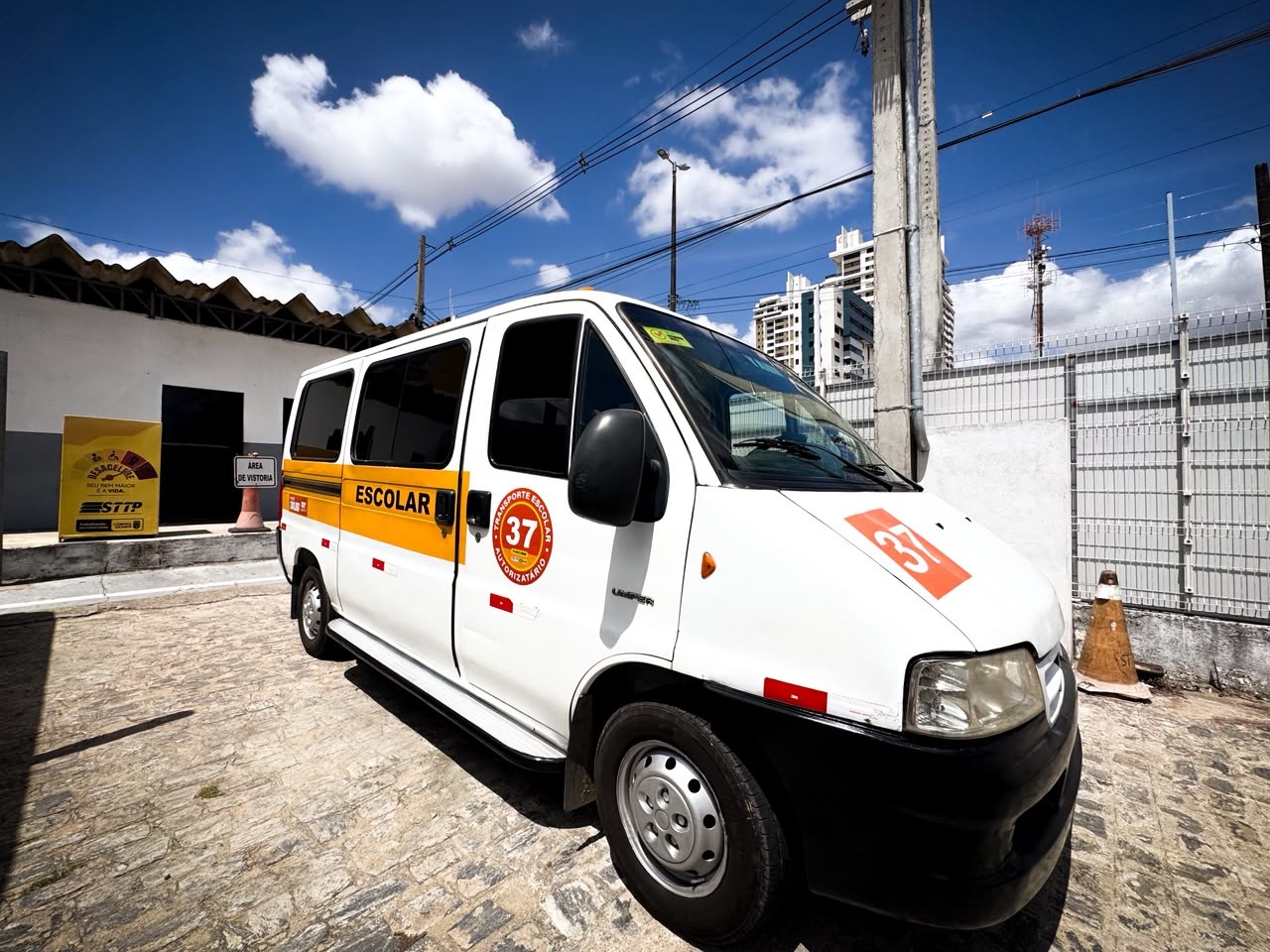
The mandatory inspection period for private school transport vehicles in Campina Grande, Paraíba, began on Tuesday, June 21st, and will continue until Friday, June 24th. This procedure, conducted by the Superintendency of Public Transit and Transport (STTP), is essential for vehicles to be authorized to provide services during the second half of 2026. The inspection is required every six months for drivers offering paid school transportation services. Its primary goal is to verify the regularity of vehicle documentation and their overall condition, thereby enhancing passenger safety. Inspections are conducted in person at the STTP headquarters in Campina Grande, from 8 AM to 12 PM. Drivers must present a Category D driver's license (CNH), the vehicle's registration and licensing certificate (CRLV) for either 2025 or 2026, a municipal authorization permit, and a tacograph verification certificate issued by Inmetro. Approved drivers will receive the 2026.2 inspection seal, confirming their compliance for the latter half of the year. The STTP emphasizes that this inspection is mandated by the Brazilian Traffic Code (CTB) for all paid school transport vehicles, ensuring they meet the necessary technical and documentary requirements for the safe transport of students.
This mandatory inspection regime for private school transport in Campina Grande underscores a systemic effort to align operational safety with regulatory compliance. The requirement for bi-annual inspections, coupled with specific documentation checks like driver licensing, vehicle registration, and tacograph certification, aims to mitigate risks inherent in student transportation. From a governance perspective, this process reflects a public authority's responsibility to uphold safety standards and ensure accountability within the private sector providing essential public services. Looking ahead, the integration of digital inspection platforms could streamline this process, enhance data collection for trend analysis, and potentially improve enforcement efficiency, contributing to a more robust and transparent system for student safety in the coming years.
AI-generated to prompt reflection — not editorial opinion, not advice, not a statement of fact. How this works.