Campina Grande's São João Festival Concludes After 33 Days of Celebration
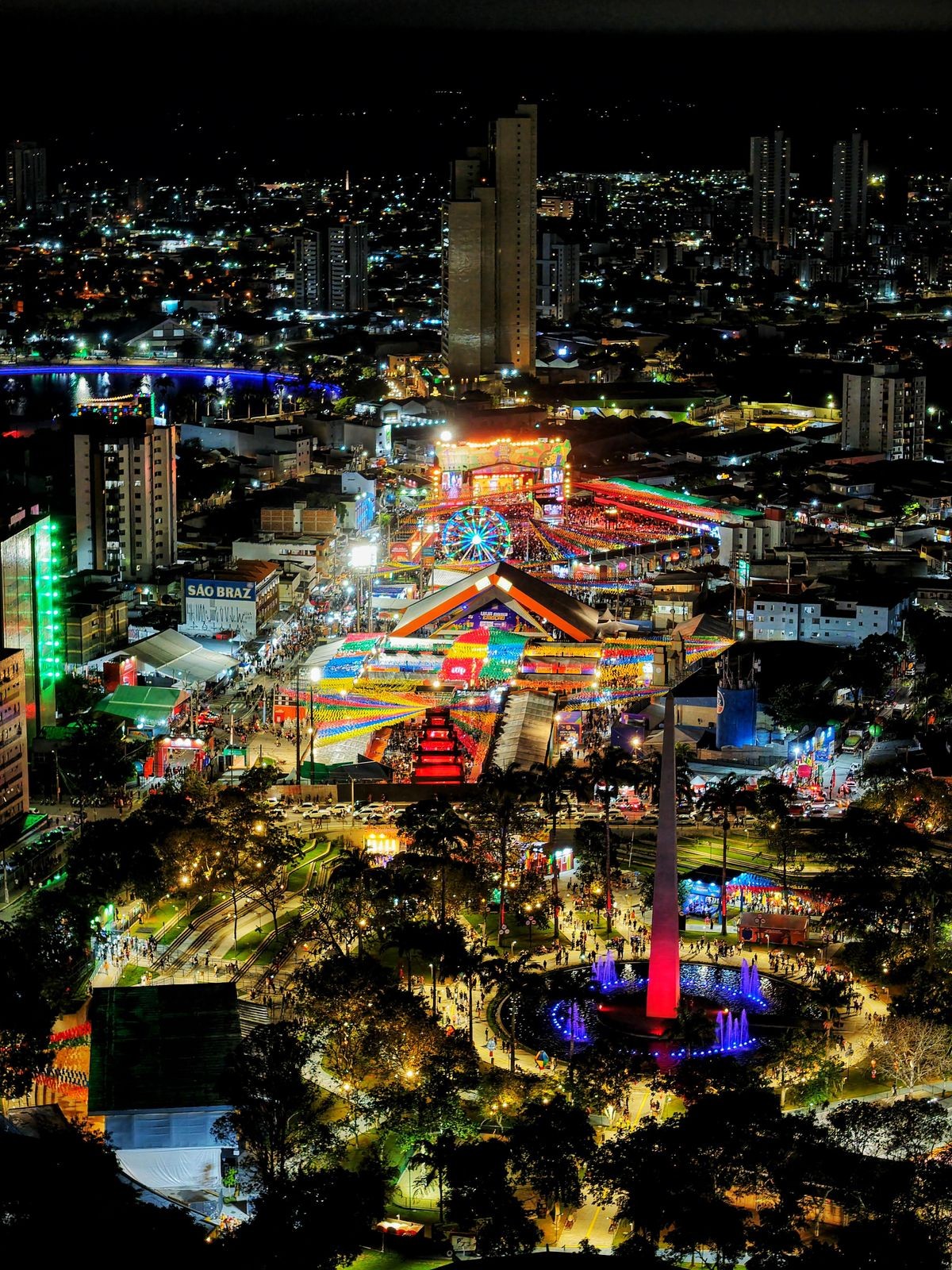
The São João 2026 festival in Campina Grande, Brazil, is set to conclude on Sunday, July 5th, marking the end of a sprawling 33-day celebration that began on June 3rd. The final day's main stage performances at the Parque do Povo will feature artists Flávio José and Pablo, alongside Rey Vaqueiro and Yasmin Sensação. This year's event, the 43rd edition of the festival, also commemorates the 40th anniversary of the Parque do Povo, the event's traditional venue. Over the course of more than a month, the festival hosted prominent Brazilian musicians, including notable first-time performers such as Marisa Monte, Roberto Carlos, Martinho da Vila, and Mart'nália. The city's Secretariat of Economic Development anticipates over 3.52 million attendees, representing a 10% increase from 2025, with economic activity projected to exceed R$800 million. Looking ahead, the 2027 São João festival in Campina Grande will honor Paraíba-born writer Ariano Suassuna, as announced by Mayor Bruno Cunha Lima on Friday, July 3rd. Recognized as the largest São João festival in Brazil by the Ranking Brasil Institute in July 2022, the event's impressive scale has solidified its national standing. Its origins trace back to June 4th, 1983, as an improvised forró dance event, which rapidly grew to become a significant fixture on Brazil's tourism calendar. The construction of the Parque do Povo began in 1986, and by 1987, the festival was officially recognized by the Brazilian Tourism Institute.
The São João festival in Campina Grande exemplifies a successful model for cultural event management, demonstrating sustained growth and economic impact over decades. Its designation as the 'Largest São João in the World' highlights the power of cultural tradition amplified by strategic planning and infrastructure development, such as the Parque do Povo. The anticipation of increased attendance and economic activity suggests a robust demand for such large-scale cultural experiences. Looking forward, the commitment to honoring literary figures like Ariano Suassuna indicates a strategy to deepen cultural relevance beyond musical performances, potentially attracting diverse audiences and reinforcing regional identity. This approach, coupled with continuous investment in programming and infrastructure, positions the festival for continued relevance and economic contribution in the coming decade, adapting to evolving audience expectations while preserving its core traditions.
AI-generated to prompt reflection — not editorial opinion, not advice, not a statement of fact. How this works.