Campinas Adds Second Polio Booster Shot to Routine Vaccination Schedule
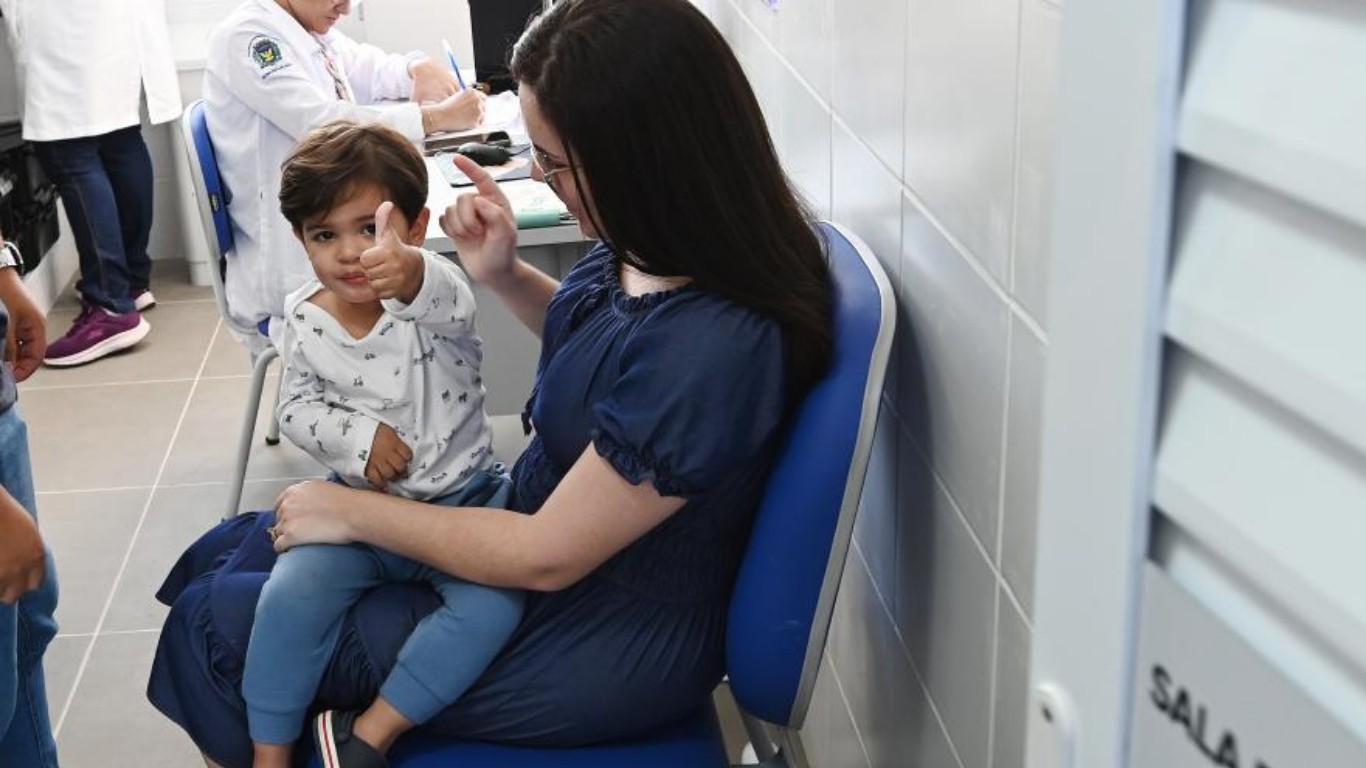
The Campinas Health Secretariat has incorporated a second booster dose of the inactivated polio vaccine (VIP) into its routine vaccination calendar, effective Monday, June 3rd. This new dose is specifically for children aged 4 to 6 years old. The initiative aims to strengthen protection against polio and prevent the disease's resurgence in Brazil, aligning with guidance from the Ministry of Health. Consequently, the entire polio vaccination schedule will now exclusively utilize the injectable VIP vaccine. The updated schedule includes the first dose at 2 months, second dose at 4 months, third dose at 6 months, a first booster at 15 months, and the newly added second booster at 4 years. Poliomyelitis is a serious illness that can lead to permanent paralysis, particularly in the legs, and has no cure; vaccination is the sole method of prevention. Brazil has not recorded a polio case since 1989 and has been certified polio-free since 1994 due to sustained immunization efforts. This decision for the additional booster was made by the Ministry of Health, with support from the Pan American Health Organization (PAHO).
Campinas's proactive integration of a second polio booster into its routine vaccination schedule, prompted by Ministry of Health and PAHO recommendations, underscores a commitment to maintaining herd immunity and preventing disease re-emergence. This move reflects a broader public health strategy that prioritizes preventative measures over treatment for diseases like poliomyelitis, which carries severe, irreversible consequences. The shift to an exclusively injectable vaccine for the entire series also streamlines administration and potentially enhances vaccine efficacy. As global health systems navigate evolving infectious disease landscapes, such strategic updates to vaccination protocols are crucial for safeguarding public health infrastructure against historical threats, ensuring long-term population well-being in an era of increasing health system pressures.
AI-generated to prompt reflection — not editorial opinion, not advice, not a statement of fact. How this works.
