Campinas Airport's Origins Tied to 1932 Constitutionalist Revolution Air Bases
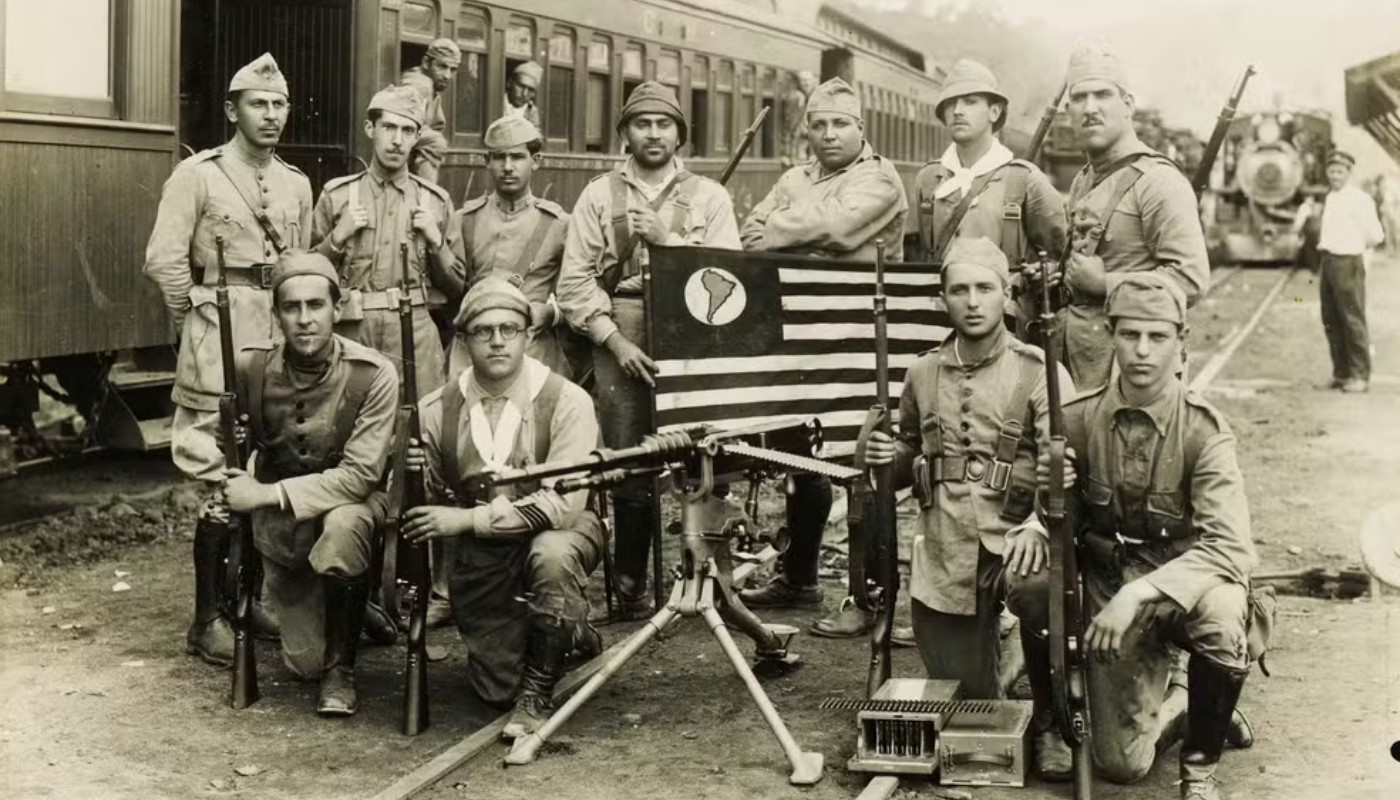
The Aeroporto de Campinas, now a major transportation hub, owes its origins to the logistical needs of the Paulista forces during the 1932 Constitutionalist Revolution. During this uprising against Getúlio Vargas's dictatorial government, the areas that would later become Viracopos Airport and Campo dos Amarais were utilized as makeshift air bases by the constitutionalists. These bases were crucial for the maintenance and refueling of the estimated four to six aircraft available to the rebels, referred to as "Gaviões do Penacho." The journalist Luiz Roberto Saviani Rey, author of "O Menino Herói da Guerra Paulista - O Bombardeio de Campinas," notes that these facilities were rudimentary, with improvised landing strips often dug by hand by soldiers due to a lack of resources. The revolution, which began on July 9, 1932, and ended with the constitutionalists' surrender on October 2, saw Campinas serve as a significant logistical center.
The historical use of civilian infrastructure for military purposes during the 1932 Constitutionalist Revolution highlights the dual-use nature of transportation networks. The development of Campinas's airports from improvised wartime bases into modern civilian facilities underscores the long-term impact of conflict on infrastructure evolution. This evolution also reflects broader trends where technological advancements and societal needs transform initial military or logistical sites into hubs for economic and social activity, a pattern likely to continue in the AI era as dual-use technologies emerge.
AI-generated to prompt reflection — not editorial opinion, not advice, not a statement of fact. How this works.