Campinas Alerted to Strong Winds as Cold Front Approaches
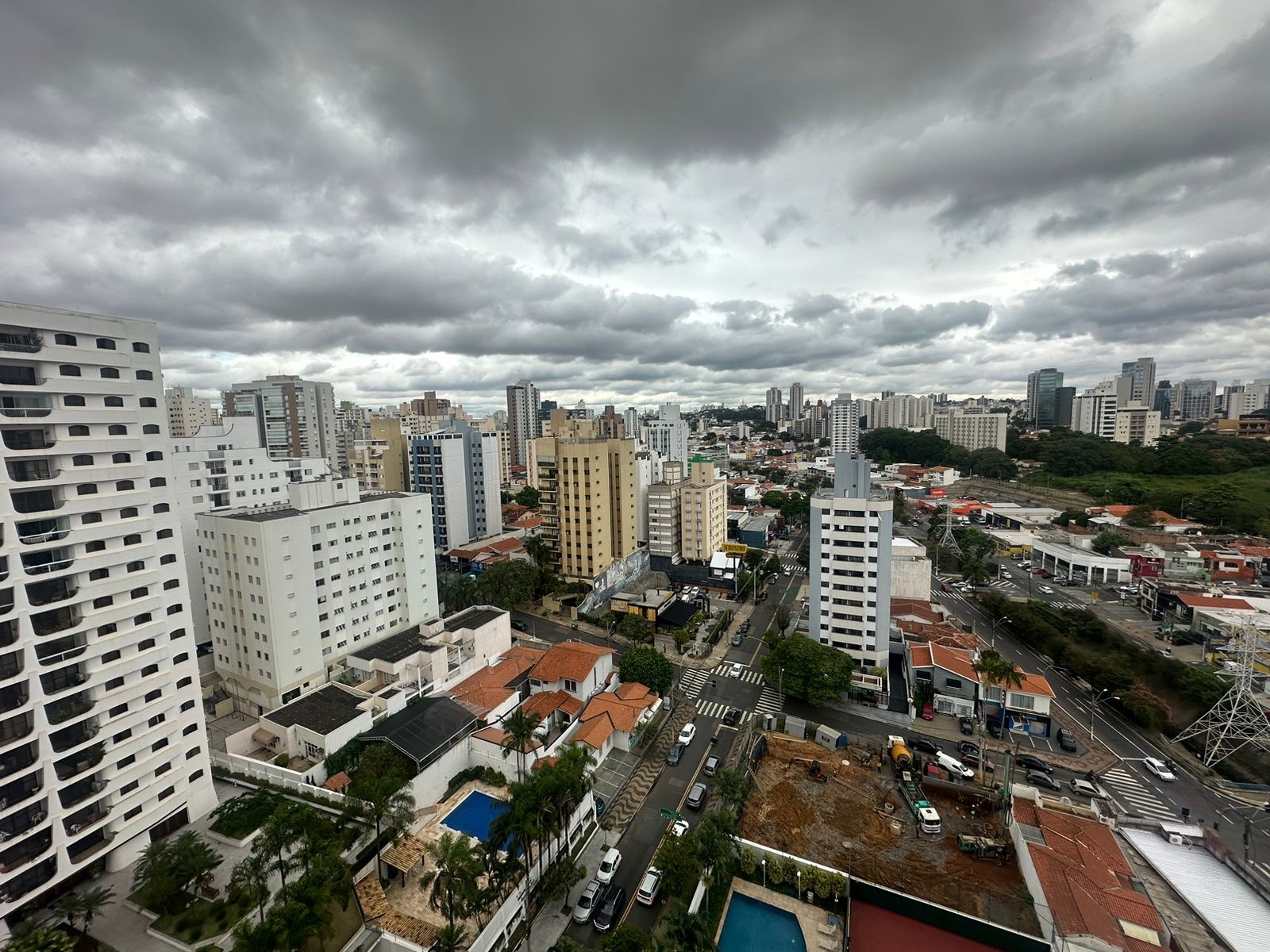
The Civil Defense of Campinas, São Paulo, has issued an alert for strong winds due to the arrival of a cold front expected between Wednesday, May 29th, and Thursday, May 30th. Potential consequences include falling trees, roof damage, power outages, and traffic disruptions. While scattered rainfall is forecast with accumulations between 5 and 35 millimeters, the primary concern is the wind gusts. The State Civil Defense predicts irregular rainfall distribution.
Initially, Wednesday is expected to remain stable with clear skies and a high of 28°C, and relative humidity around 30% in the afternoon. However, on Thursday, the cold front's passage is anticipated to bring cloudier skies and showers to the Campinas Metropolitan Region, with strong winds particularly expected at night. Residents are advised to avoid standing under trees during wind gusts, stay clear of precarious structures, secure loose objects, and not park vehicles under trees or unstable structures. During storms, outdoor activities should cease, and people should seek safe shelter.
Following the cold front's passage, stable weather is predicted to return from Friday, May 31st. The return of dry air raises concerns about low humidity and the increased risk of vegetation fires. Public health recommendations include staying hydrated and avoiding actions that could cause fires, such as discarding cigarette butts in vegetated areas.
The impending cold front in Campinas highlights the dynamic interplay between atmospheric conditions and urban infrastructure. While the immediate alert focuses on wind-related hazards, the subsequent return to dry air underscores a recurring environmental challenge. Public advisories regarding hydration and fire prevention are crucial, but the recurring pattern of dry spells and potential for fires suggests a need for broader, systemic strategies. These could include enhanced urban green space management, public education campaigns on water conservation, and potentially, investments in more resilient infrastructure that can better withstand extreme weather events. Examining the long-term climate trends affecting the region may inform more proactive, sustainable planning to mitigate future risks associated with both extreme wind and drought conditions.
AI-generated to prompt reflection — not editorial opinion, not advice, not a statement of fact. How this works.